
The “Anatomy of an AI System” was an enjoyable read. Up until reading it, I envisioned a bit of a flat view of the AI ecosystem with an emphasis on the major players. It wasn’t until digesting this piece that I realized the ecosystem is quite convoluted, inter-connected and a stratification of fractal chains of production and exploitation. When looking at the Anatomy of an AI System map, a few areas jump out to me: Human Operator, Disposing, AI Training, Elements and Quantification of Nature. For the purposes of this writing, I’ll focus on just three.
I’ll start with what I think is most interesting: the quantification of nature. The dichotomy between the natural world and the technical world makes it an interesting topic to explore. According to Kate Crawford and Vladan Joler, “the process of quantification is reaching into the human affective, cognitive, and physical worlds.” I think as a whole, we think of them as separate entities, but AI technology is actually doing the work to bring them together—and that’s scary. Even though every form of biodata is now being captured and logged in databases, the quantification runs on a very limited foundation, which increases the opportunity for AI systems and their training sets to repeat and reinforce certain stereotypes and unfavorable social patterns. This sets the precedent of normalizing certain aspects of the human past and projecting it into the human future.

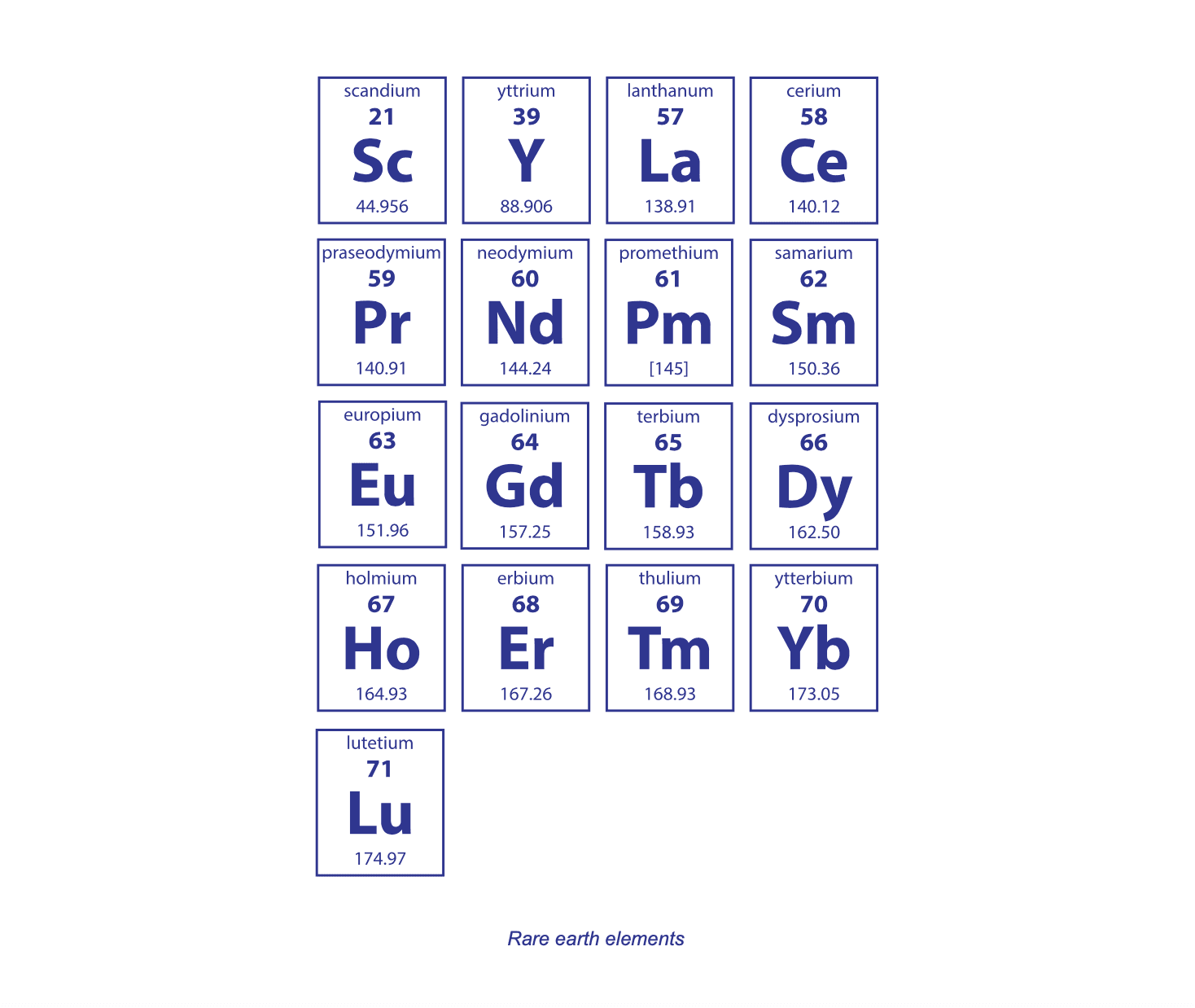
The most surprising section to me is the section about elements and rare earth materials. I guess I didn’t realize just how much we rely on certain elements to operate our daily lives. These elements are “embedded in laptops and smartphones…” and “play a role in color displays, loudspeakers, camera lenses, GPS systems, rechargeable batteries, hard drives and many other components.” There’s an environmental factor (and labor exploitation) that needs to be considered when thinking of all the benefits AI brings to society. “99.8 percent of earth removed in rare earth mining is discarded as waste… that [creates] new pollutants like ammonium.”
I’ll say the most confusing section to me is actually the section on human operators. Humans taking up many different roles when interacting with AI isn’t the confusing part; I get that as a user I am also “simultaneously a consumer, a resource, a worker, and a product.” But where the confusion comes into play is whether or not I have any say-so in how I show up in either of these roles. Is there a degree in which I can flex more or less as a worker or a AI-training resource when I blindly interact with a system? Or do I have to opt out entirely?
This reading really opened my eyes to the invisible components of the AI ecosystem and how it all really allows for power to be consolidated at the top for a select few. There’s always a price to pay for convenience.
© 2019-2026 Marshall Creative Group LLC
Studio