
Originally, I had settled on the synesthesia device because I thought it spoke to a very specific part of who I am as a person and a creative, but since I wired up a Simon-like memory game, I wanted to push on the idea a bit—or pivot altogether.
Since then, I’ve settled on the idea of a side scrolling game using p5.js, but instead of it being a sketch in a browser, it’ll be a game that users will be able to play from an actual tabletop arcade game-like device, and I’m excited to bring this grand idea to life. I've never done any fabrication or physical computing before, and one of the goals I laid out for myself in Exploratory Making is to stretch myself into new areas and mediums.
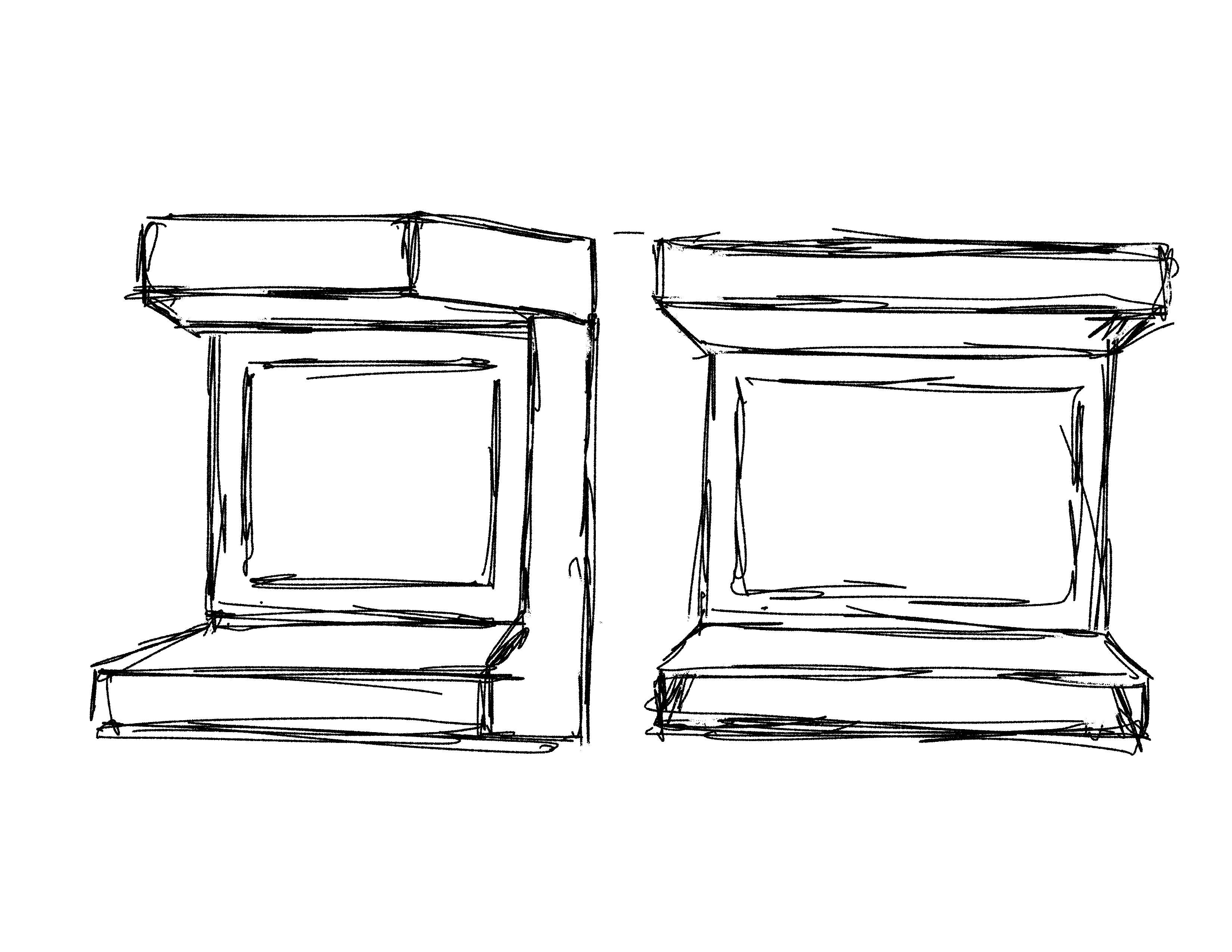
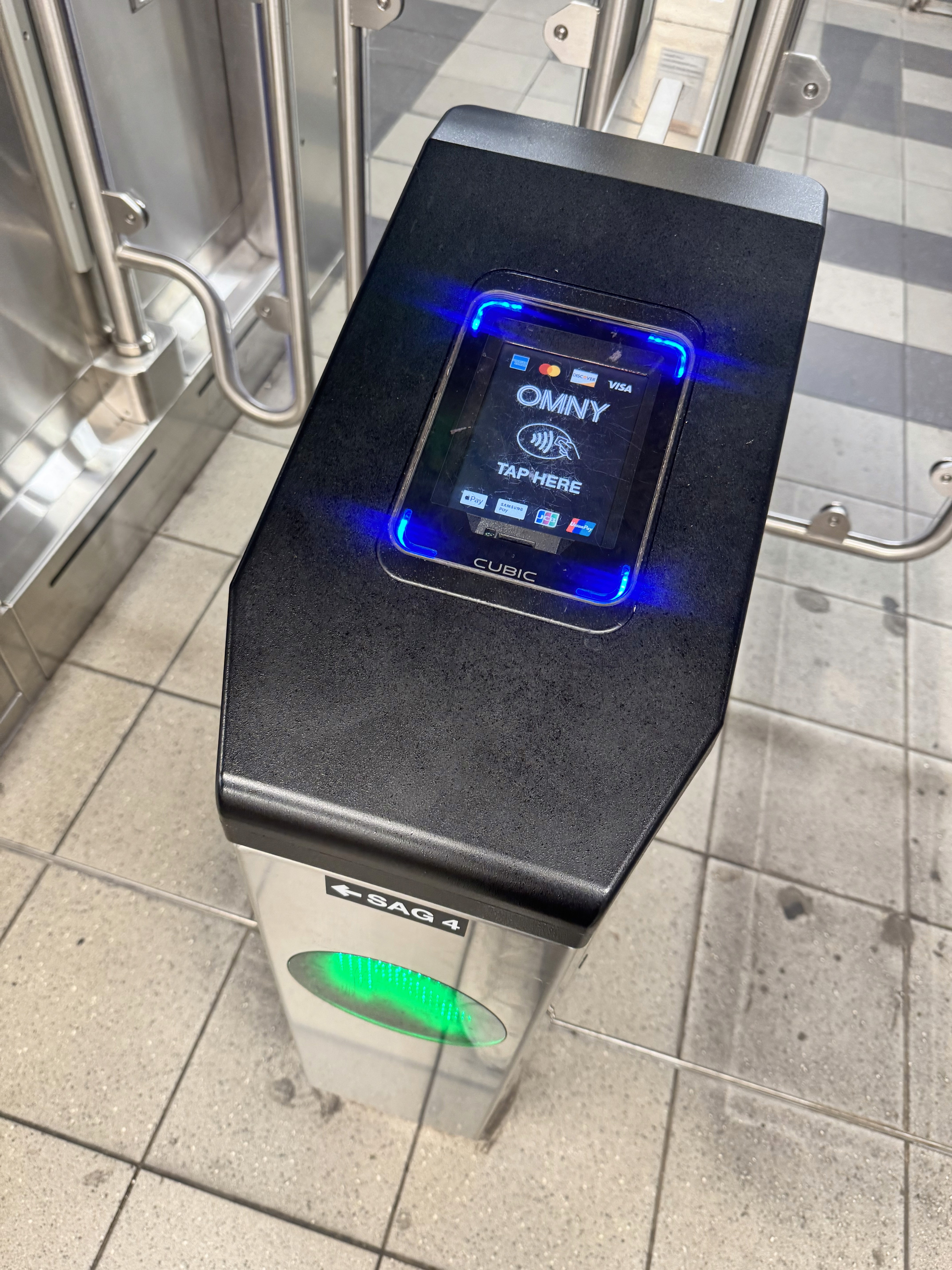
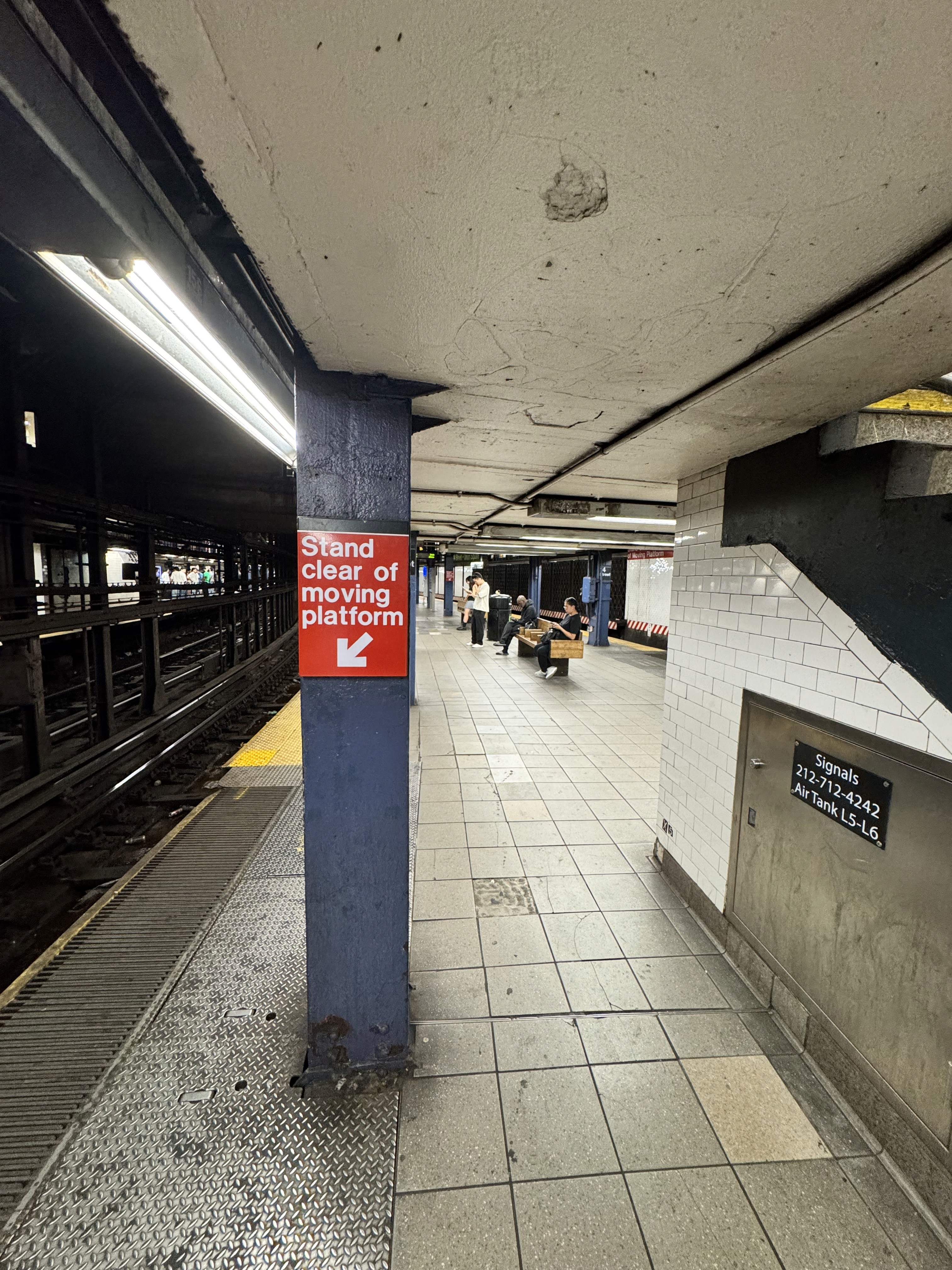
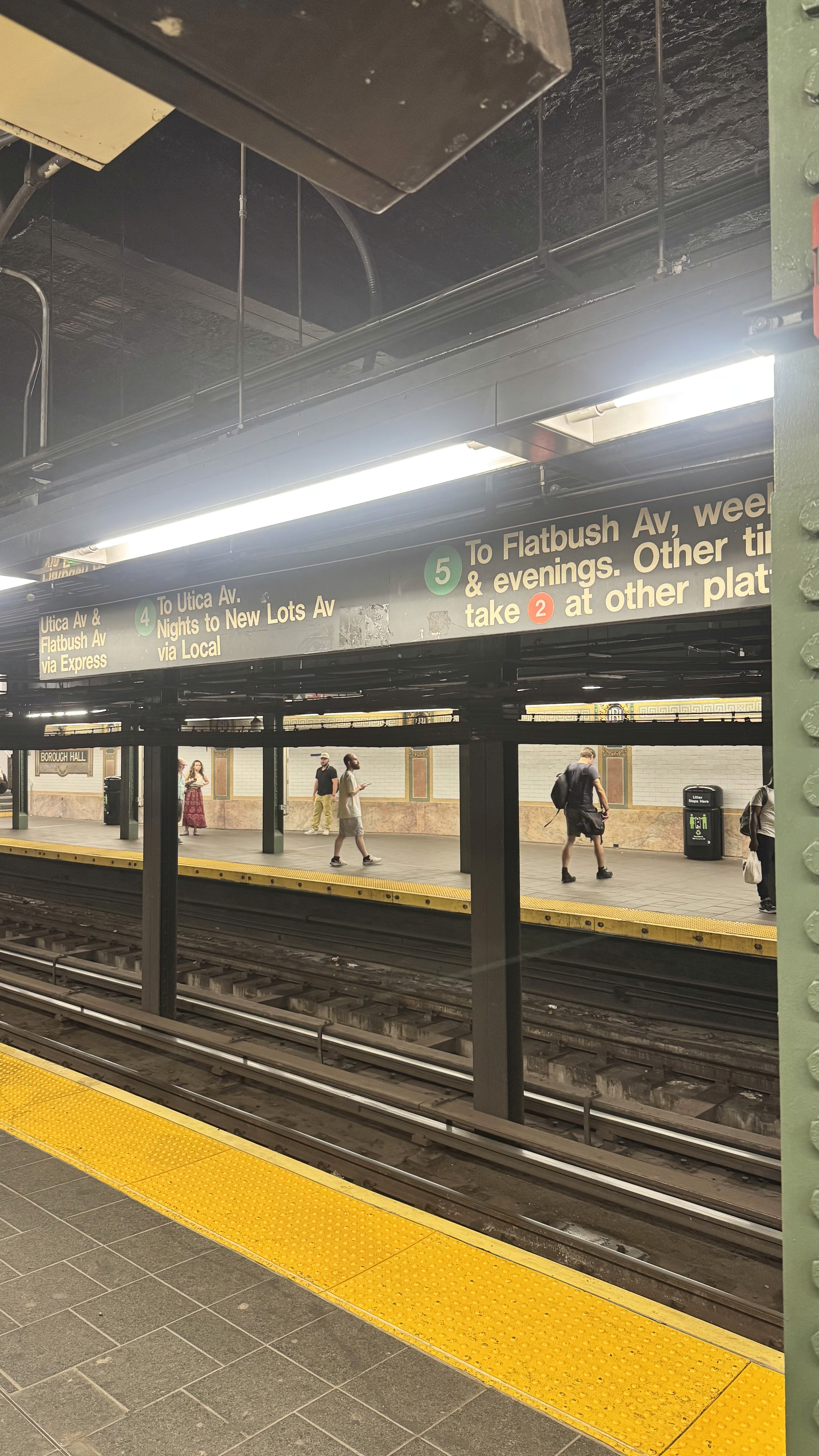
As it stands, this game will use the MTA as a reference. I come to NYC from LA and before then, I was in Atlanta for 8 years, and I was born and raised in Kansas City, MO. I didn’t grow up in a city with a mass transit system, and the concept of the NY subway has intrigued me since I was a child. Even as someone in their mid-30s, I am still fascinated by the train system under this massive, vibrant, energetic city. I want to replicate that feeling in a game using mechanics that spoke to decision-making in tense moments.
My creative practice falls within the realm of illustration, so I figured this game project would be a way to bring my skills as an illustrator to life. From illustrating the background and main sprite elements to illustrating the enclosure itself, this project is being informed by my attention to detail and craft.
I’m still working on the game mechanics, but I do know that I want the device to turn on via tap—tapping a card (or bespoke device) on a tap pad on the arcade game itself will be a nice nod to the experience of getting on the train in real life. Again, it’s about capturing the spirit and magic of navigating this big city and portraying that on a smaller, repeatable scale.

As it stands, here’s the full list of materials:
Compute & Display
Mac Mini OR Raspberry Pi 4 or 5
MicroSD card (32GB+) for the Pi's OS
10.1" HDMI TFT LCD monitor
HDMI cable
Monitor power supply
Arduino & Inputs
Arduino
USB cable
Arcade D-pad module OR JOYSTICK
Arcade push buttons
PN532 or MFRC522 RFID/NFC reader module (the tap sensor)
RFID/NFC tags or cards
Jumper wires
Breadboard
Solder + soldering iron
OPTIONAL: FSR (force-sensitive resistor) or small accelerometer module
Enclosure
Plywood
Wood glue and/or screws/brackets for assembly
Wood finish/paint or vinyl wrap
Panel-mount hardware for buttons/D-pad/joystick
Power
Power strip or multi-outlet
USB-C power supply for the Pi
Misc/tools
Drill or laser cutter access
Multimeter
© 2019-2026 Marshall Creative Group LLC
Studio