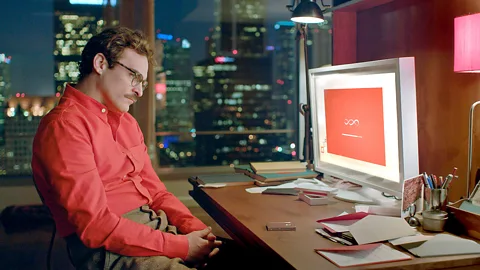
Both videos, the Her movie clip and the HYPER-REALITY short film, did a good job of capturing the essence of what Andy Clark and Katherine Hayles wrote about in their respective texts. At a base level, I do agree with the notion that we are cyborgs; we use tools and man-made inventions to make our lives easier. This has been going on since the dawn of time with the creation of fire and the wheel, so being a cyborg doesn’t necessarily mean half-man/half-machine, to me. We live in a technological world, so naturally the tools we use and have access to in 2026 are more than likely going to be digital.
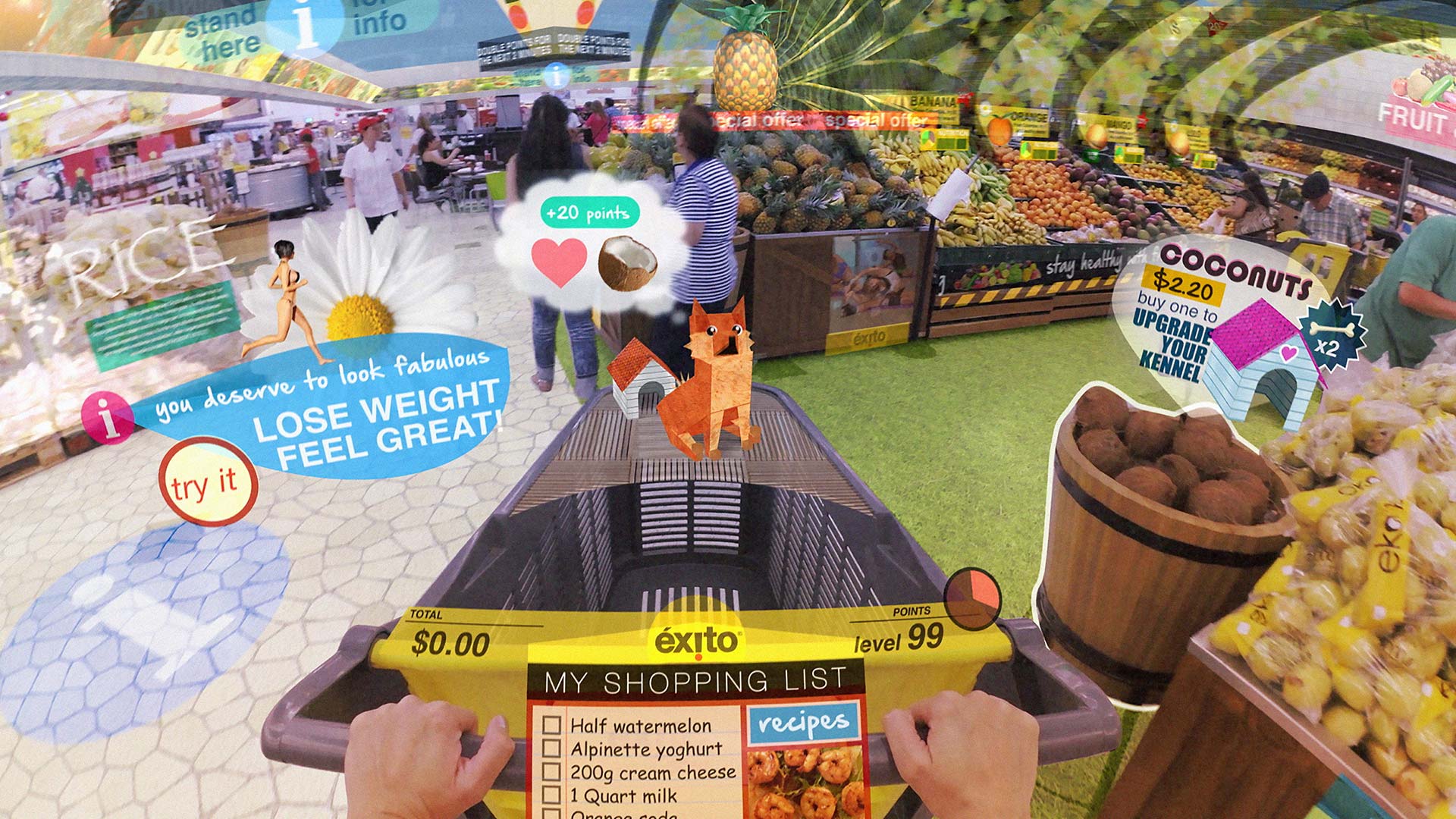
While watching the film clips, I noticed they each offer opposing viewpoints of the same reality. In Her, the OS technology presents as friendly, accommodating, helpful and does a good job of giving off good vibes. On the contrary, in HYPER-REALITY, we see a human as a cyborg taken to the extreme. Every aspect of her life is dictated by a surveillance device—it knows where she’s going, what tasks she has on her plate for the day, if she’s been injured and even has to grant permission for entering into a new religion. Capitalism is also front and center with the depiction of countless ads, even when on a simple grocery store run.
Both authors provide interesting POVs on the topic. Clark's argument that we're 'natural-born cyborgs' because we've always used tools to extend cognition feels like common sense. I hadn’t really thought about it until reading these passages, but I guess it makes sense now when I really sit down and think about it. We use tools that help us offload and free up mental space, and we also use tools to navigate the world around us. We are definitely cyborgs.
© 2019-2026 Marshall Creative Group LLC
Studio