
Link to curiosity syllabus.
What started as a whiteboard word-map is now a functional document that houses the things I want to explore over the coming years: a curiosity syllabus. This document highlights the main areas that seemed to have bubbled up from this in-class exercise, and I also plan to use it as a jumping off point for future creative ideas/projects.
So while this document outlines the why behind my creative practice, there are other online tools that house the what and how. I gain inspiration from a number of sources, but the main ones, for visual inspiration at least, include both Instagram and Pinterest. I go to these online spaces specifically for visual reference and inspiration; whenever I want to explore a new style, medium or subject matter, these are the places I start from.
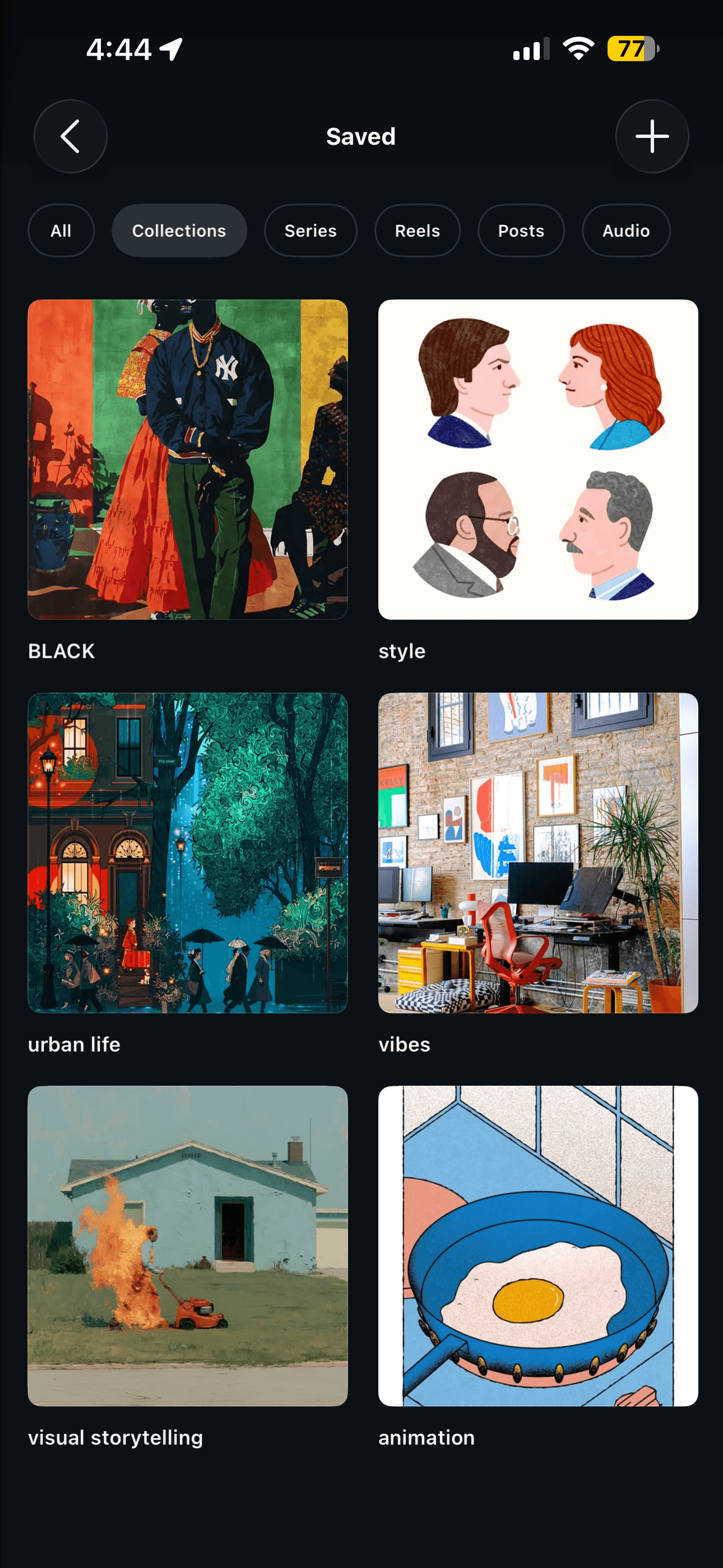
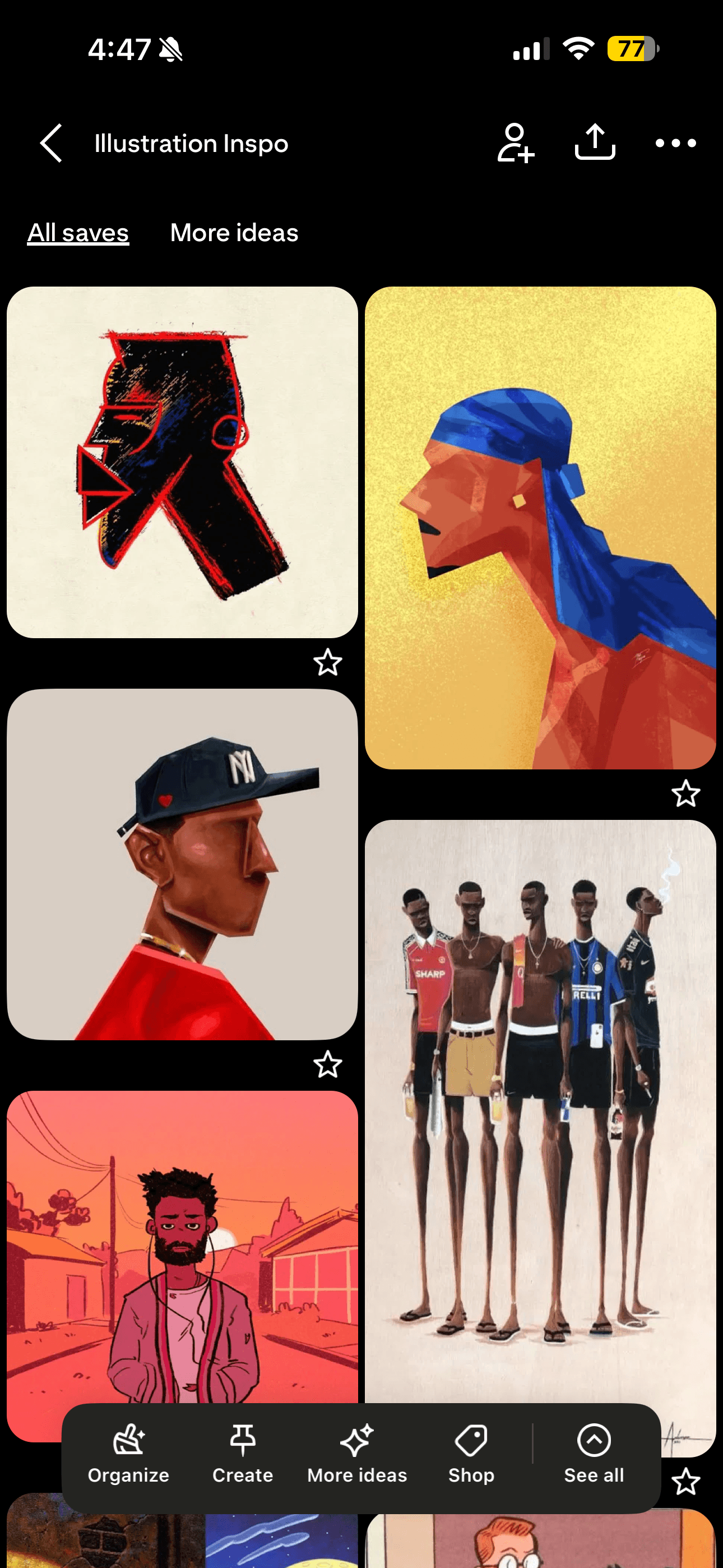
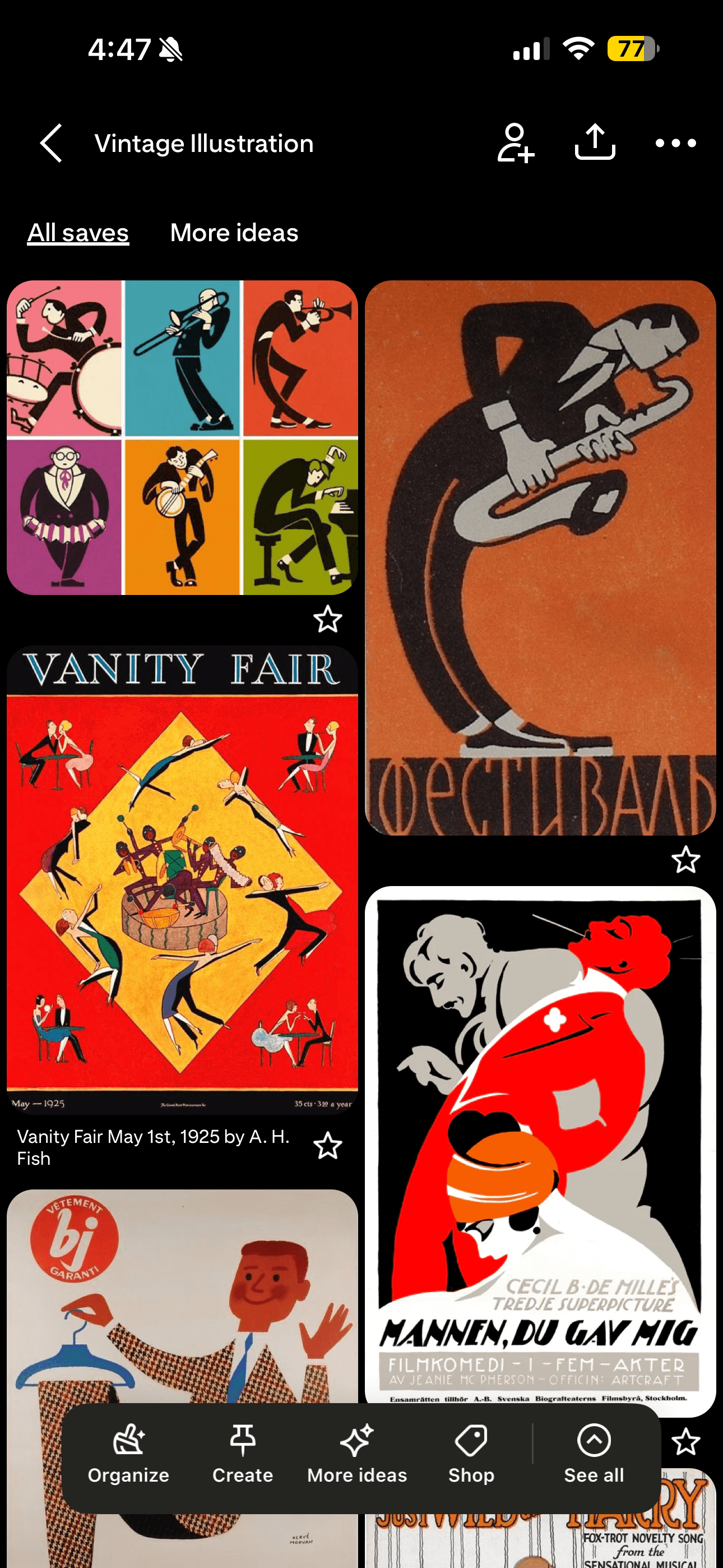
When it comes to general concepts or even fleeting ideas, I jot them down here. A few creative ideas popped into my head over the weekend, so I made sure to add them to my syllabus so that I stay reminded. It’s crazy how a creative idea can come to my head in the middle of a conversation with friends or while on the train or even when I’m grocery shopping; this document will serve as my digital notepad for times like these.
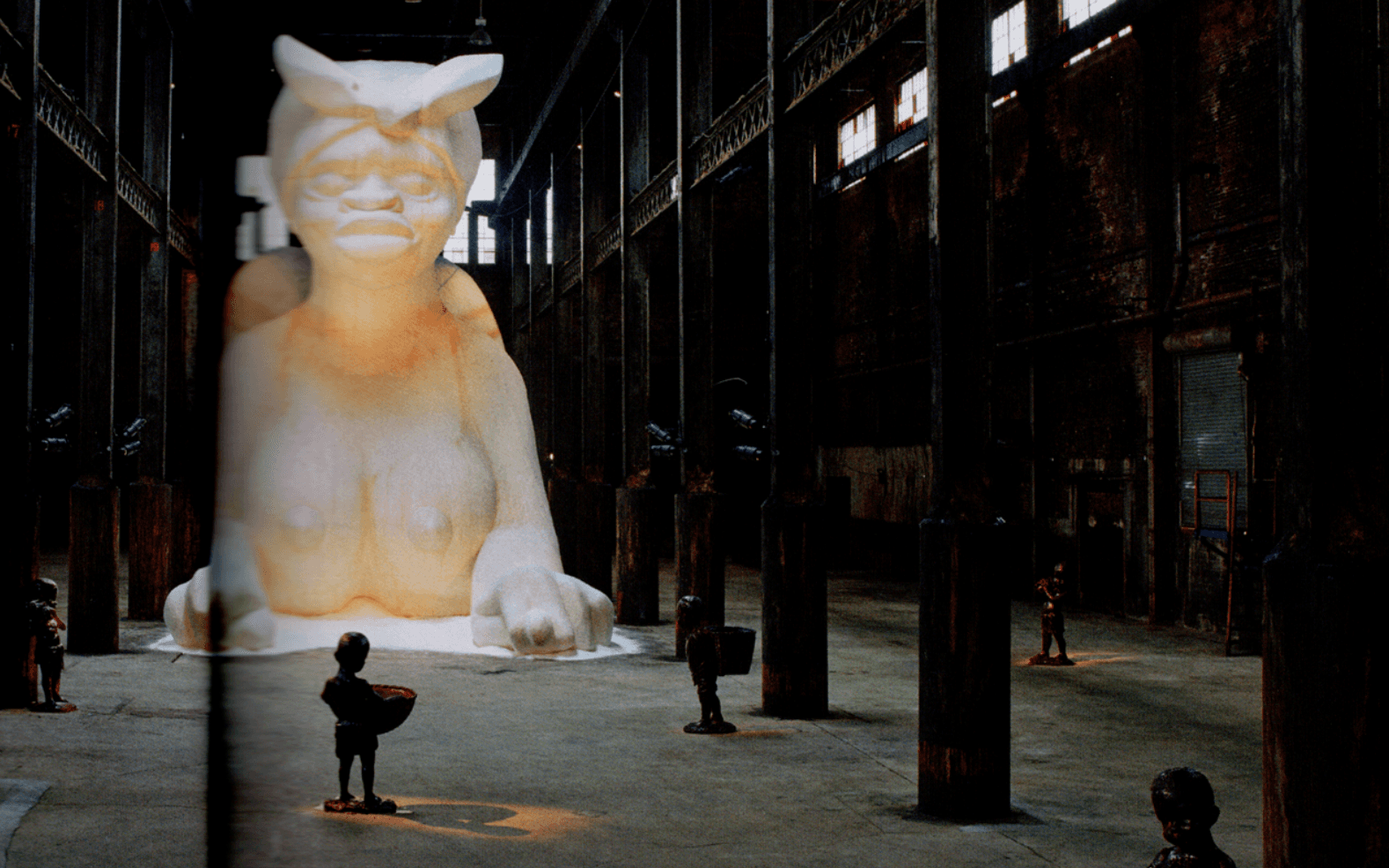
Kara Walker, an American painter, talked about how the idea for her project, A Subtlety, or the Marvelous Sugar Baby (2014), only came after putting together a random Powerpoint. I thought this was interesting because it showed the power in a non-linear process, and it also shows how utilizing a tool in novel ways can also uncover greatness.
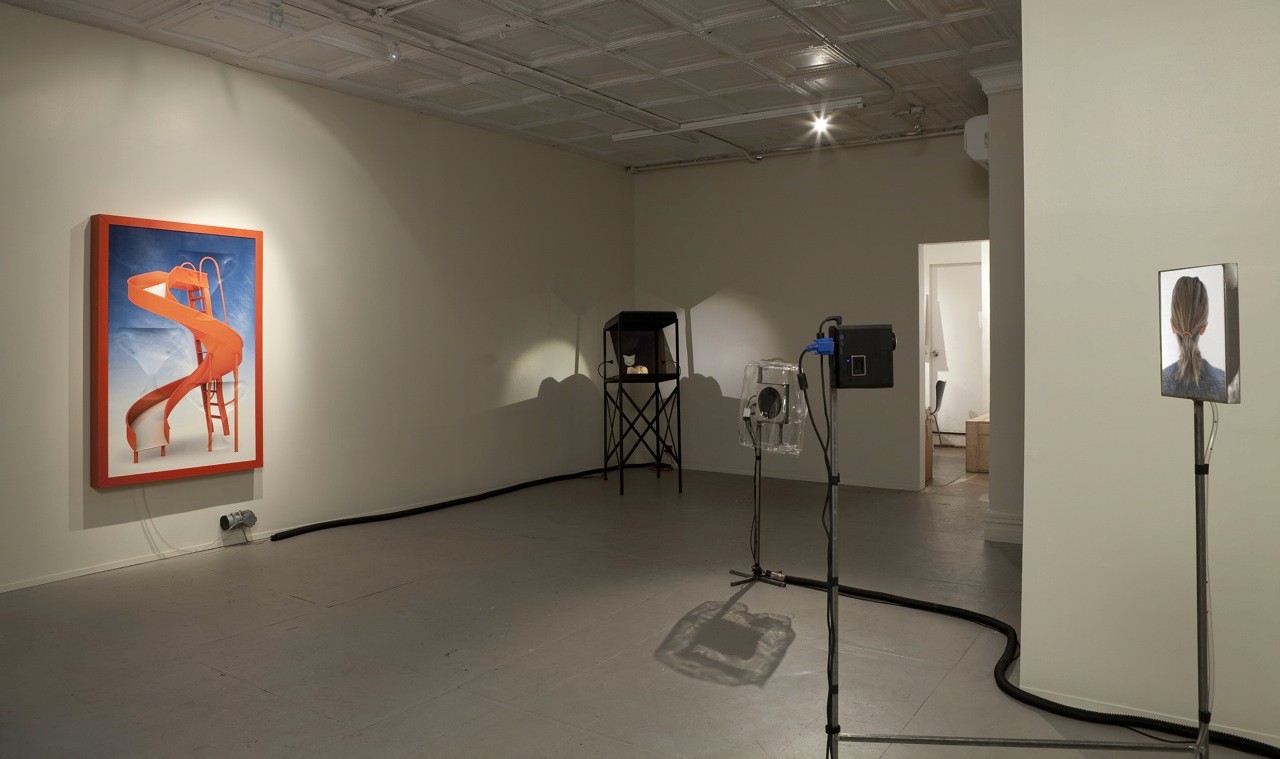
In addition to Kara’s work, I was also intrigued by Antoine Catala. He treats TV in an interesting way. Rather than a nostalgia object, he depicts TV as a structural language with its own grammar (broadcast blocks, live flux, the "familiar way of viewing images"). I’ve been exploring something along those lines through my Marshall Television aka Mtv project series, using the apparatus of a TV broadcast itself as the artwork, not just the vehicle for one.
Bogosi Sekhukhuni’s work is also interesting. His refusal of Afrofuturism is worth sitting with; he’s not rejecting the interests behind it (past-into-present, Afroic futures), but he's rejecting the "afro" prefix itself as a hedge, a quiet admission that futurism defaults to not-Black unless marked otherwise. This resonated with me because afrofuturism is something I want to explore through my own interactive storytelling projects.

When it came to putting together my syllabus, one of the big things I wanted to include was a manifesto or a way to set context into the things I want to explore. I also wanted the syllabus to not only state my intent, but I also want it to serve as the safe place for unbaked ideas and also a source of inspiration. If I get excited or inspired after reading my own syllabus, then I know the syllabus has done its job in helping me explore my curiosities.
© 2019-2026 Marshall Creative Group LLC
Studio