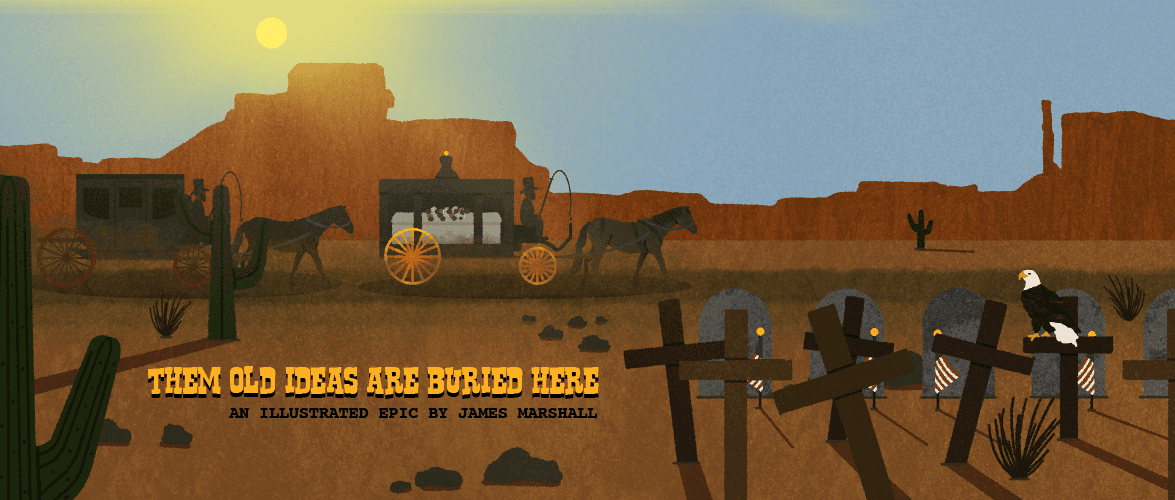
Them Old Ideas Are Buried Here
Click here to see it's interactive counterpart.
Them Old Ideas Are Buried Here reimagines Beyoncé’s 2024 studio album "Cowboy Carter"
as a speculative Western epic
Drawing from the album’s expansive soundscape, its deliberate resistance to fixed genre classifications, and it’s assertion in taking up space where “it doesn’t belong,” this is as a multi-part illustrated cinematic work that unfolds across time (and space).
The epic traverses Black-founded pioneer towns, graveyards, brothels, rodeo arenas, recognizable American concert venues and deserts, and even the surface of the moon. In alignment with the album’s engagement with music history and cultural revision, the illustrations are grounded in documented facts and historical realities, using them as a framework for speculative interpretation rather than fictional abstraction. They center the lived experiences of the Black frontiersmen (and women) who lived, worked, traveled, formed relationships, and caused good trouble within the Old West.
Black “cowboys” have been present in the Americas since at least the sixteenth century, with significant influence stemming from the vaqueros in Colonial Mexico. Vaqueros — many of whom were runaway Black or mixed race slaves — were originaters of many of the practices central to North American cowboy culture today, including ranching, herding, and visual styling. Coinciding with emancipation, the Homestead Act of 1862 also enabled Black Americans to migrate westward, claim land, and establish communities, situating them also as active participants in the formation of the American frontier rather than as just historical footnotes.
Interpreting "Cowboy Carter" as not just a country album but also a cinematic text, the illustrated series presents the album as a sequence of interconnected yet standalone scenes. Each illustration corresponds to a specific song while contributing to a broader narrative unified by recurring motifs: horses as loyal companions, the expansive American Western landscape as a persistent setting, and a central figure navigating themes of love, legacy, autonomy, and freedom.
Them Old Ideas Are Buried Here examines how historical memory, popular music, and illustration can collectively reframe dominant narratives of American identity.
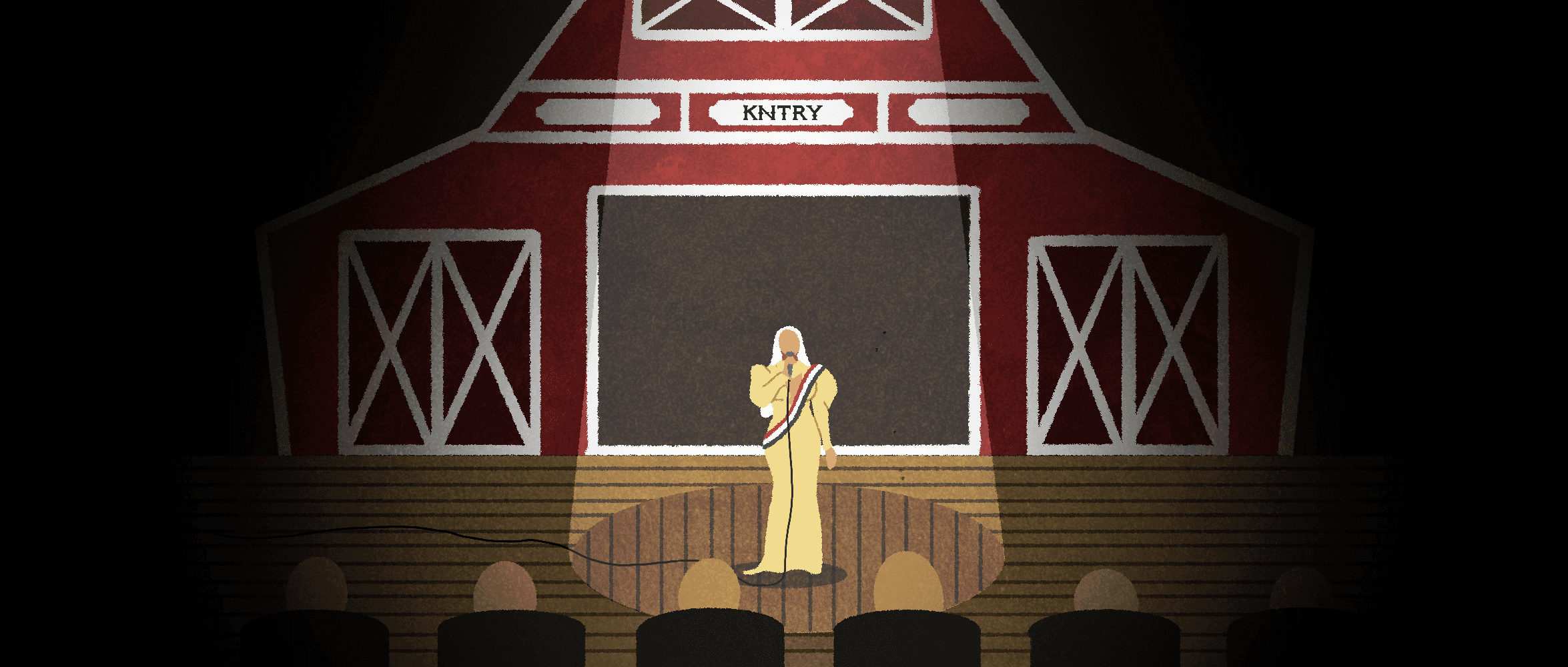
AMERIICAN REQUIEM
Act I, Scene I - Current Day
Grand Ole Opry in Nashville, Tennessee
The crowd murmurs. Sneers ripple through rows of disapproving faces. Most of these men have never seen a Black woman command the Opry stage. They make that abundantly clear—in their stares, in their snickering. She sees it. Hears it. And keeps singing anyway. Permission was never required.
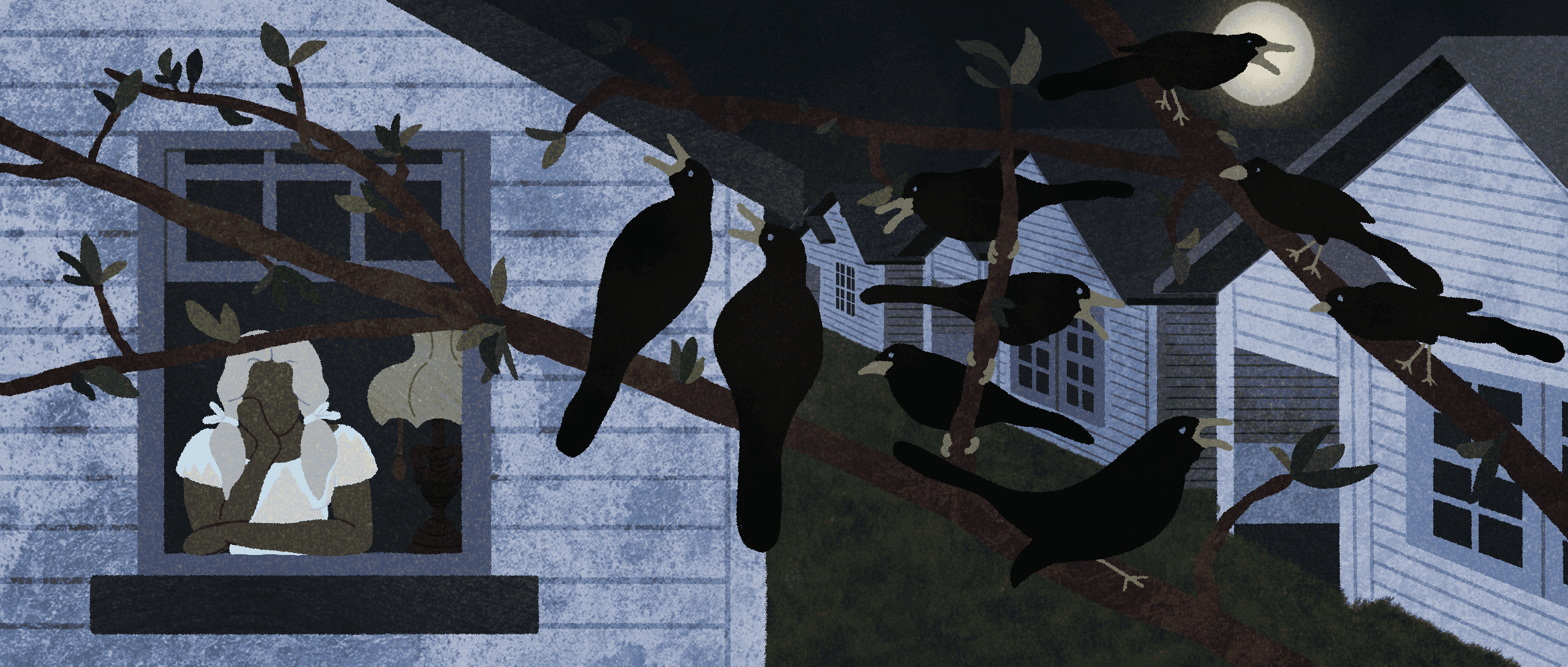
BLACKBIIRD
Act I, Scene II - 1870s
Freedmen’s Town Neighborhood in Houston, Texas
The story begins over a century ago. She lies awake, unable to sleep, thoughts too loud for rest. Morning will take her somewhere new. Outside her window, grackles gather on a nearby branch—close enough to hear, not close enough to touch. They sing. She listens. The night holds her there.
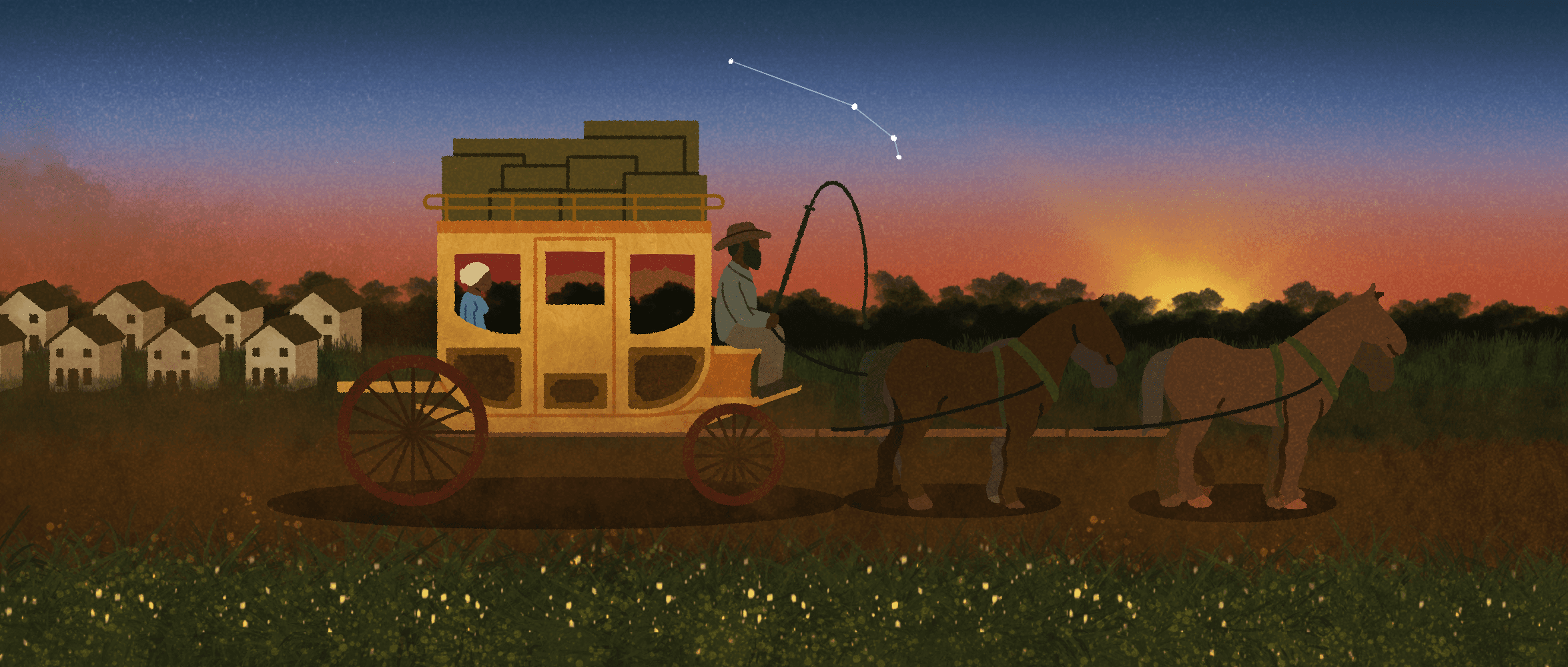
16 CARRIAGES
Act I, Scene III - 1870s
Along the Shawnee Trail Somewhere in Texas
The sun sets as she leaves town. Her belongings packed, the carriage rolls forward, pulling her away from the only home she's known. She doesn't know exactly where she's headed. She only knows she cannot stay. The road stretches long and uneven ahead. Whatever comes next, she'll build it herself.
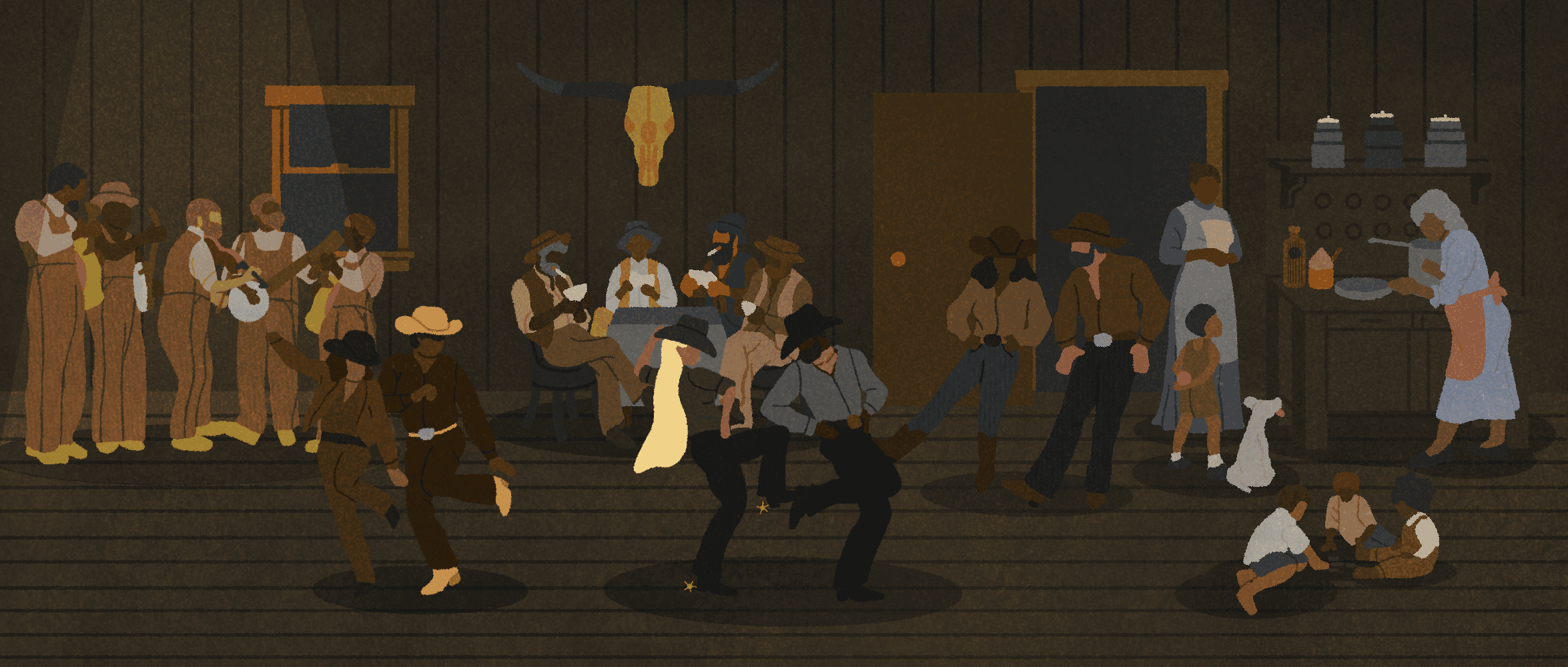
TEXAS HOLD 'EM
Act II, Scene I - Past, Present and Future
Hoedown in Tamina, Texas
Music spills from a dusty barn. Boots stomp, cards slap tables, whiskey glasses clink and refill. For this moment, the world's troubles remain outside. She joins in, laughs louder than intended, dances longer than planned. By the time it ends, something has shifted. She didn't come seeking change, but she leaves transformed.
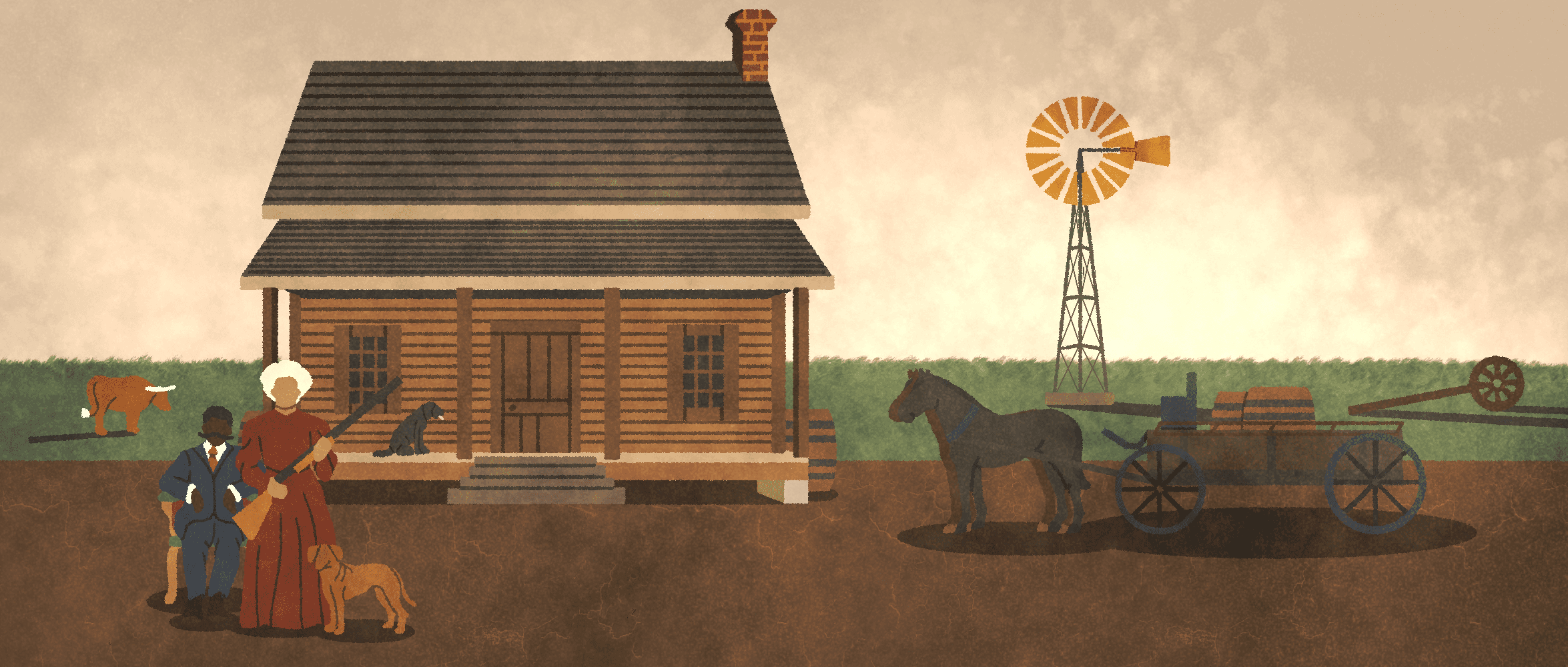
BODYGUARD
Act II, Scene II - 1880s
Homestead in Boley, Oklahoma
Life on the homestead. A small house, a few dogs, wind cutting across open land. Everything they own is hard-earned. She keeps a shotgun close—not from fear, but from care. The world beyond their fence is unforgiving. What they've built here is not. She intends to preserve it.
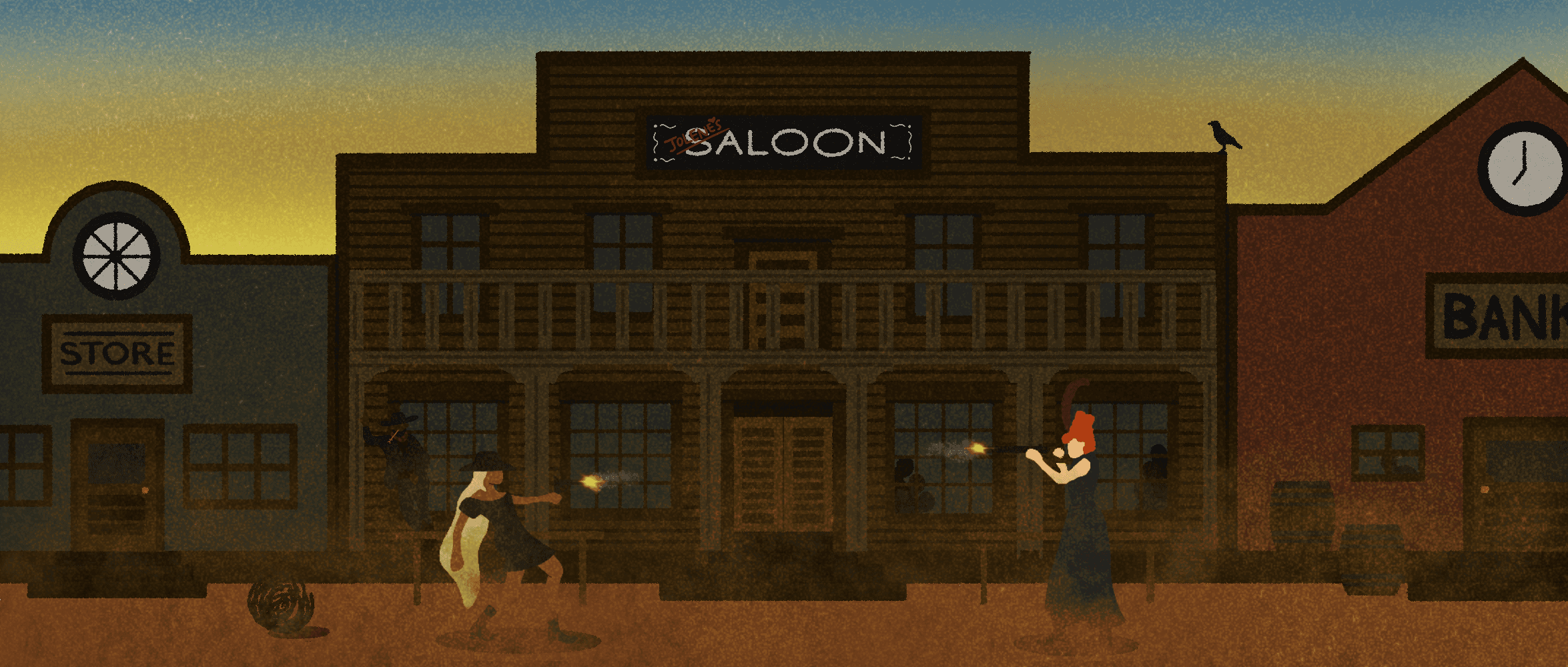
JOLENE
Act II, Scene III - 1890s
Saloon in Taft, Oklahoma
Dust hangs thick in the air. Two women stand facing each other in the heat. Neither backs down. Neither looks away. This isn't merely about love; it's about power, respect, ownership. When it ends, there will be no confusion about where the line was drawn.
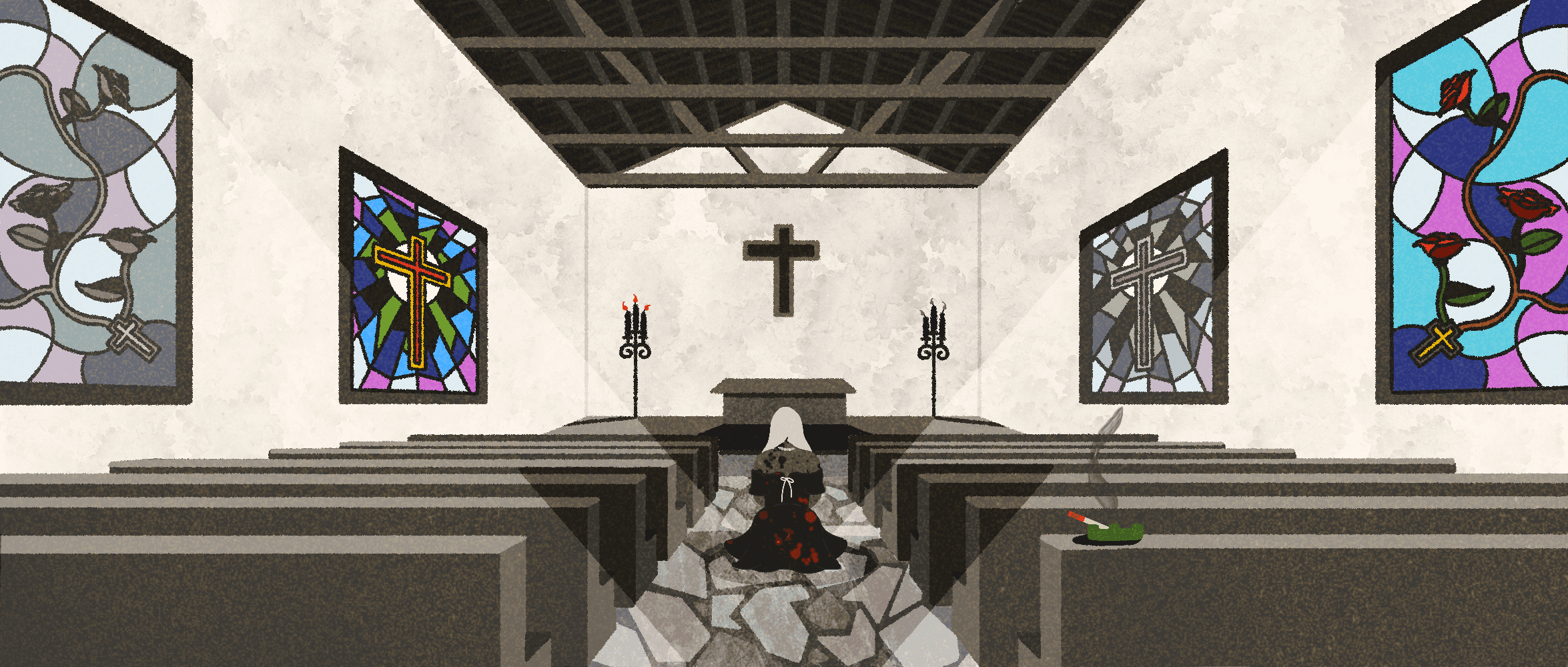
DAUGHTER
Act II, Scene IV - 1890s
Chapel in Dearfield, Colorado
She runs to the church with blood still on her hands. Candles burn low, smoke curling toward the ceiling. The silence weighs heavier than the gun ever did. She replays it: what happened, what didn't have to. She isn't proud, but she doesn't look back. She bows her head anyway. Some choices leave no clean exits.
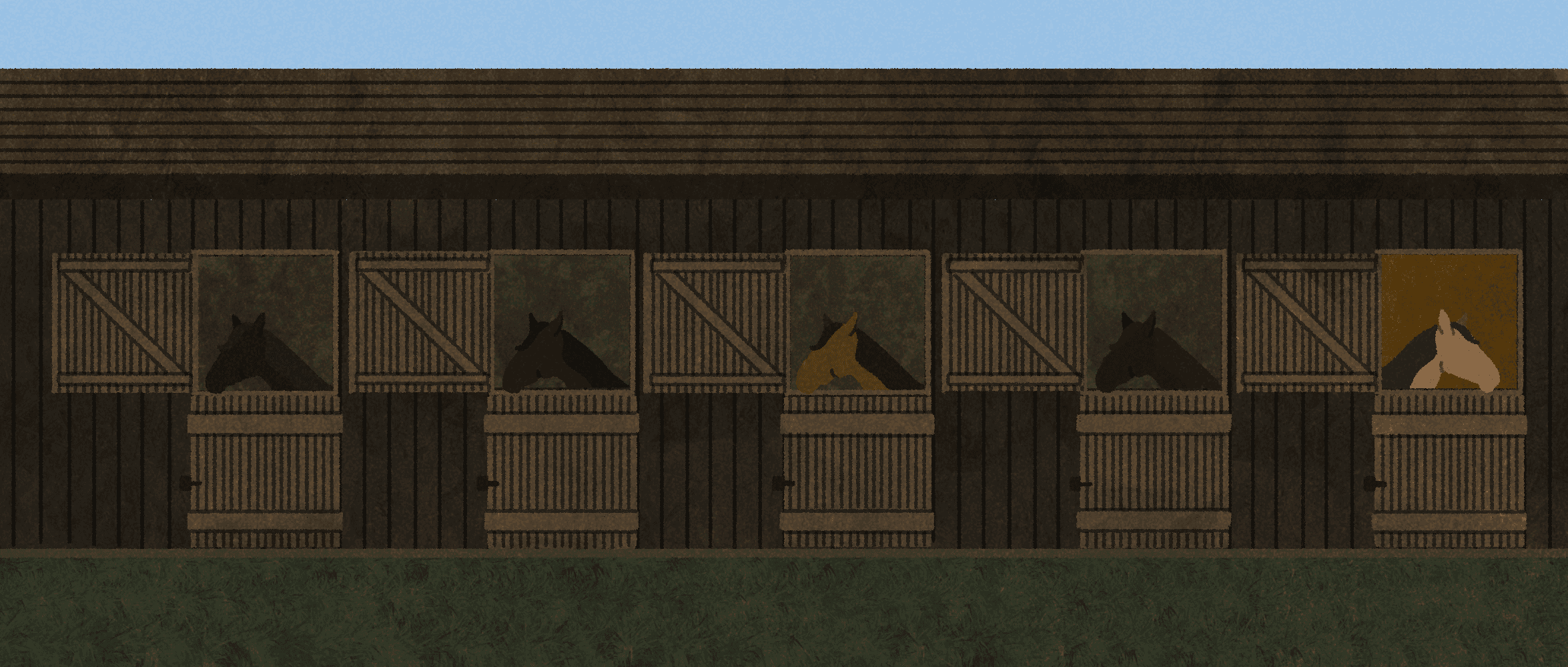
SPAGHETTII
"Genres are a funny little concept, aren't they? Yes, they are. In theory, they have a simple definition that's easy to understand. But in practice, well, some may feel confined."
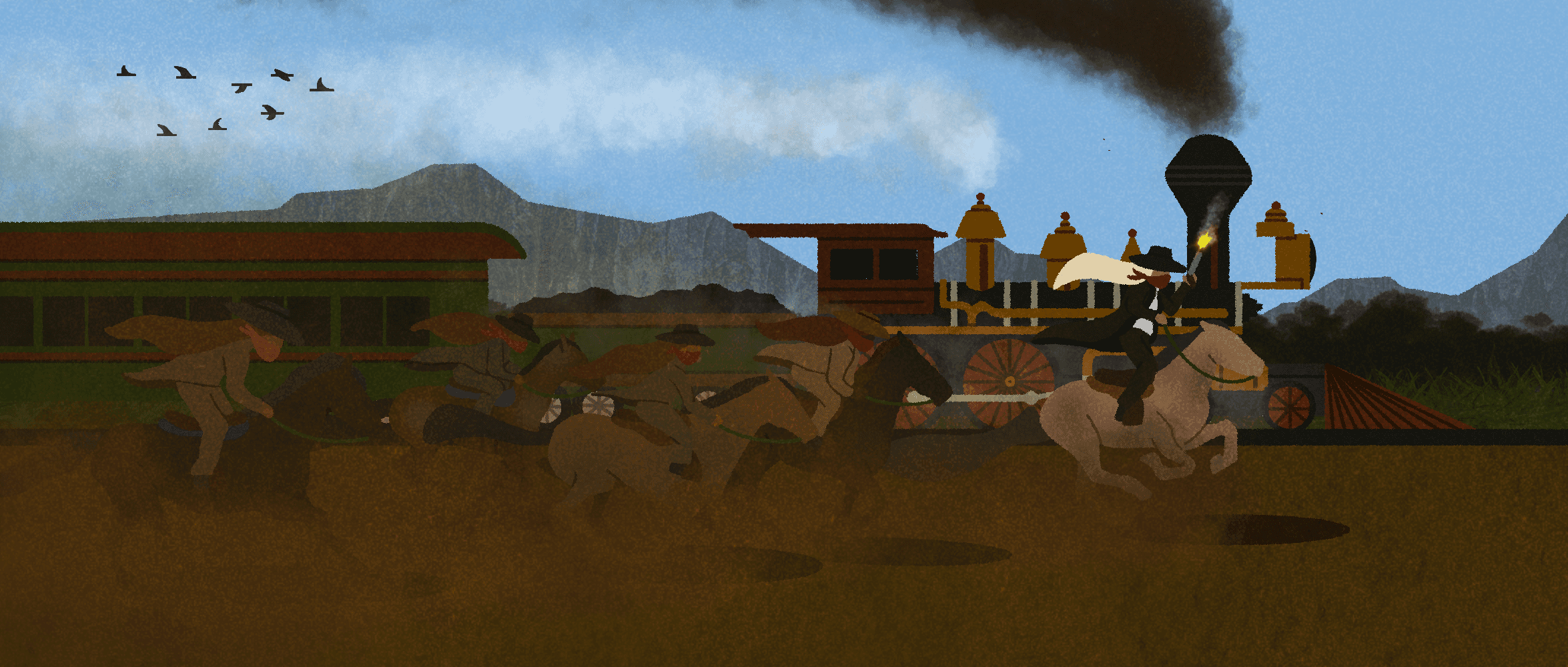
SPAGHETTII
Act II, Scene V - 1890s
Wilcox, Wyoming
She rides hard alongside the train, pistol raised, her gang at her back. This time, she leads. What was taken before—land, love, freedom—she means to reclaim. History didn't offer it. She takes it. The train keeps moving. So does she.
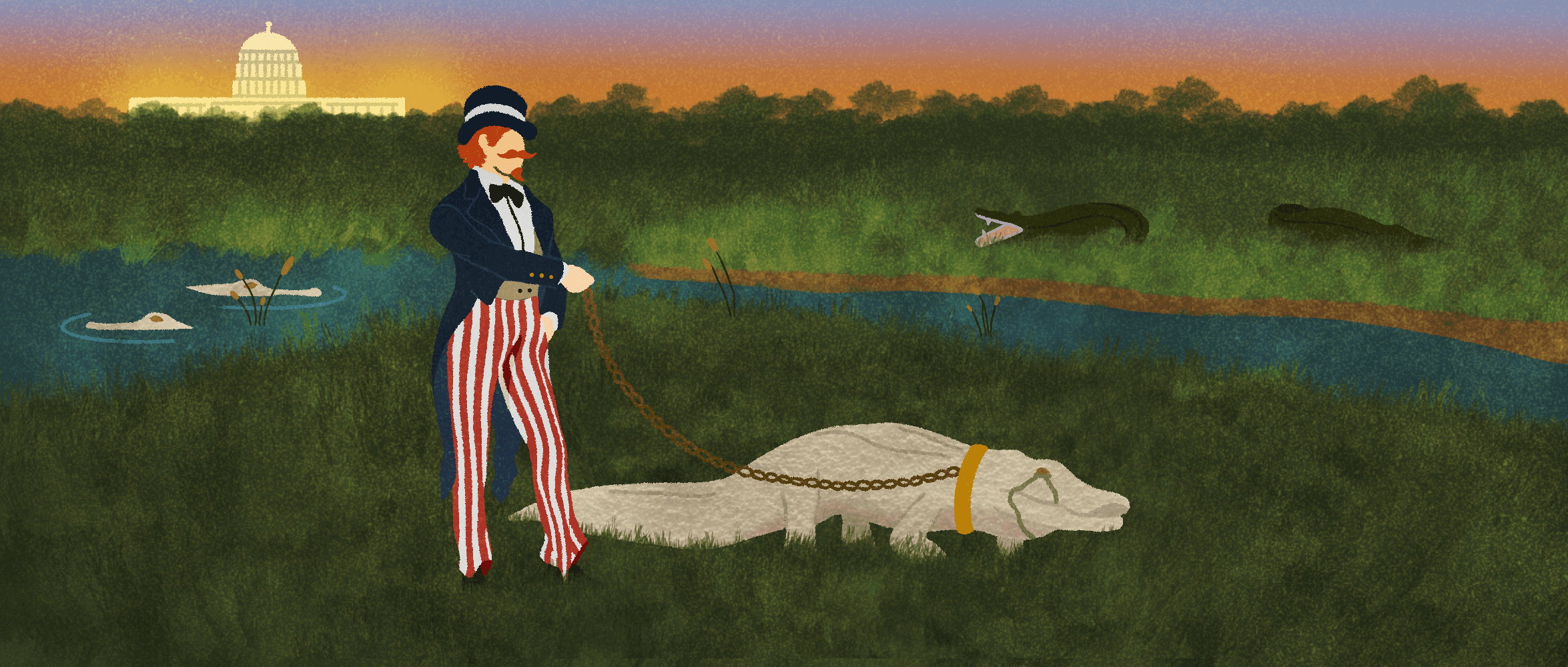
ALLIIGATOR TEARS
Act II, Scene VI - 1890s
United States Political Cartoon
This scene departs from the frontier. Like political cartoons of the past, it depicts a familiar story: impossible standards set and still unmet. Progress promised, then revoked. Rules changed mid-game. The message remains clear: for some, even when everything is done right, it's never quite enough.
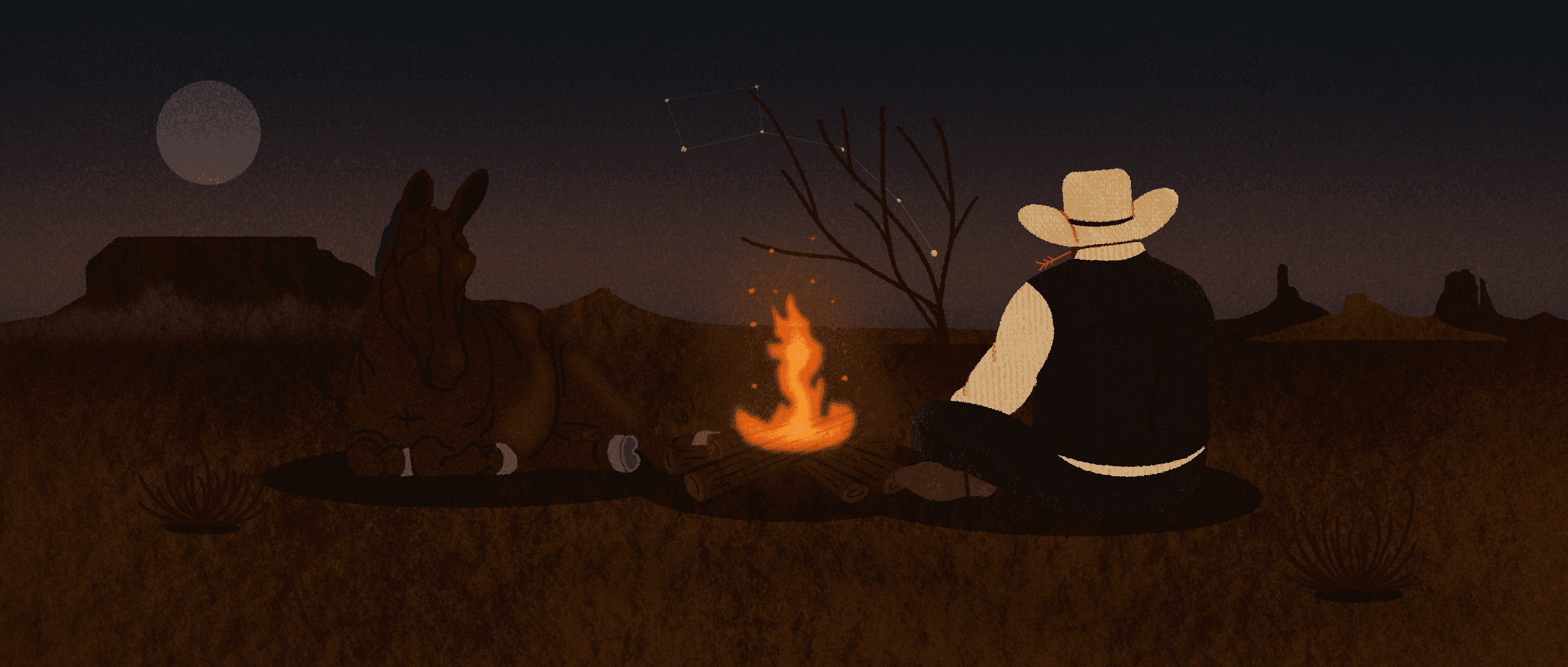
JUST FOR FUN
Act II, Scene VII - 1890s
Guthrie, Oklahoma
A lone cowboy tends a small fire in the open desert. His horse grazes nearby. The night stretches wide and quiet around them. He's heading home soon. The thought brings both comfort and unease. Some journeys require no audience. Just time and space to think.
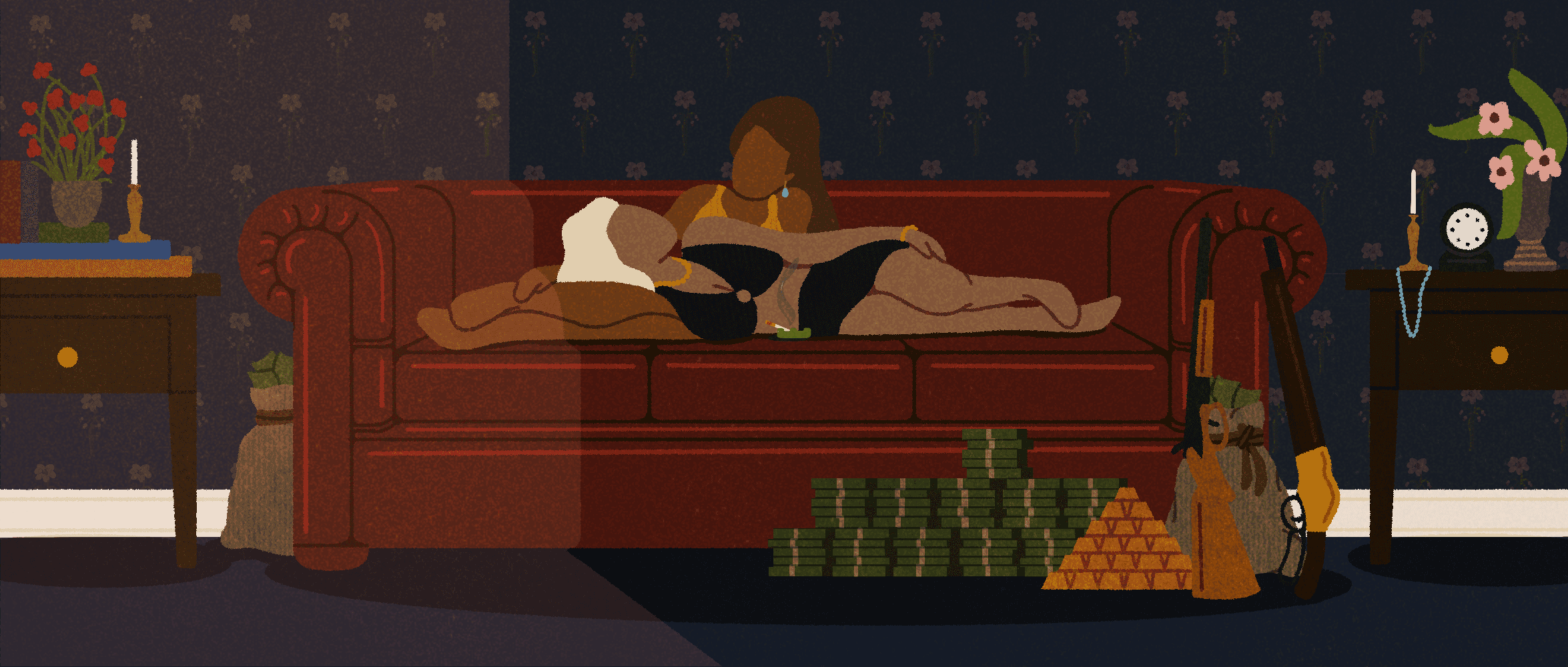
II MOST WANTED
Act II, Scene VIII - 1910s
Hideout in Nicodemus, Kansas
They've just pulled off another robbery. Money spills across the room, jewelry glinting in lamplight, guns resting close. They know the law is coming. They don't rush. Instead, they rest against each other. Whatever this is—friendship, love, something unnamed—it's real. For now, it's enough.
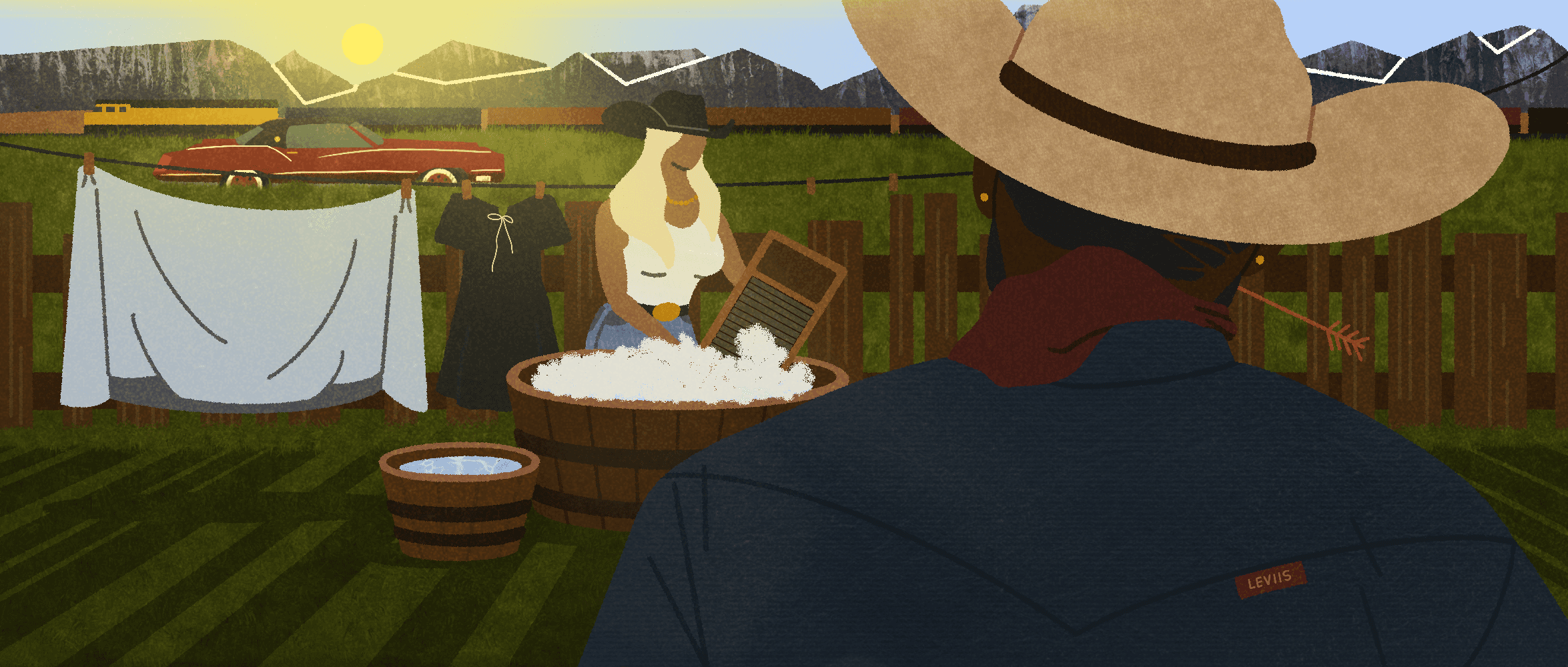
LEVII'S JEANS
Act II, Scene IX - 1970s
Home in Ogden, Utah
Laundry hangs from a clothesline in the Utah air. Denim dries in the sun. A train passes in the distance. The Cadillac waits nearby. They move through simple tasks together: washing, folding, watching. In the quiet, they truly see each other. Love reveals itself in the ordinary.
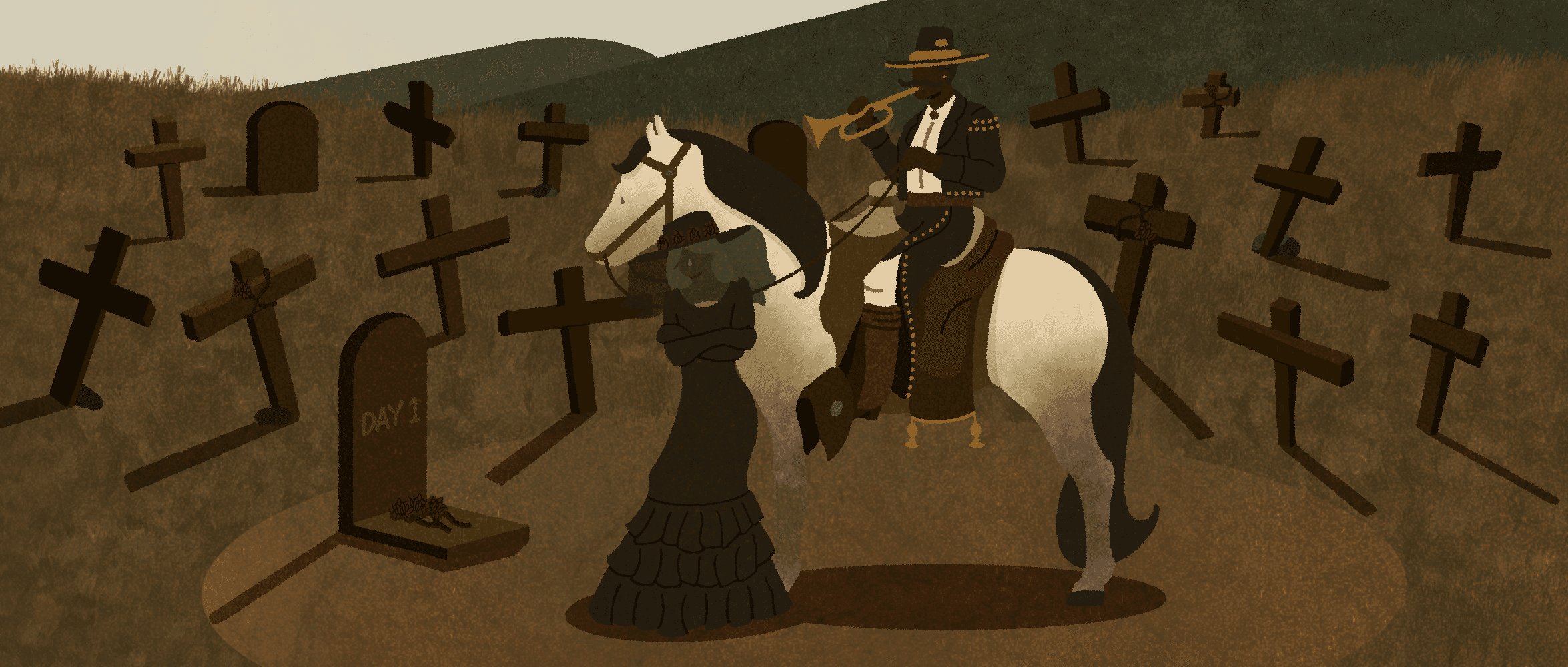
FLAMENCO
Act II, Scene X - 1900s
Graveyard in Allensworth, California
She stands at an old grave. The markers are worn smooth by wind and time. Some names have vanished. Others were never written. Her partner plays trumpet beside her, the sound carrying across the land. She remembers who came before; who loved, who was lost. The music fills the space they left behind.
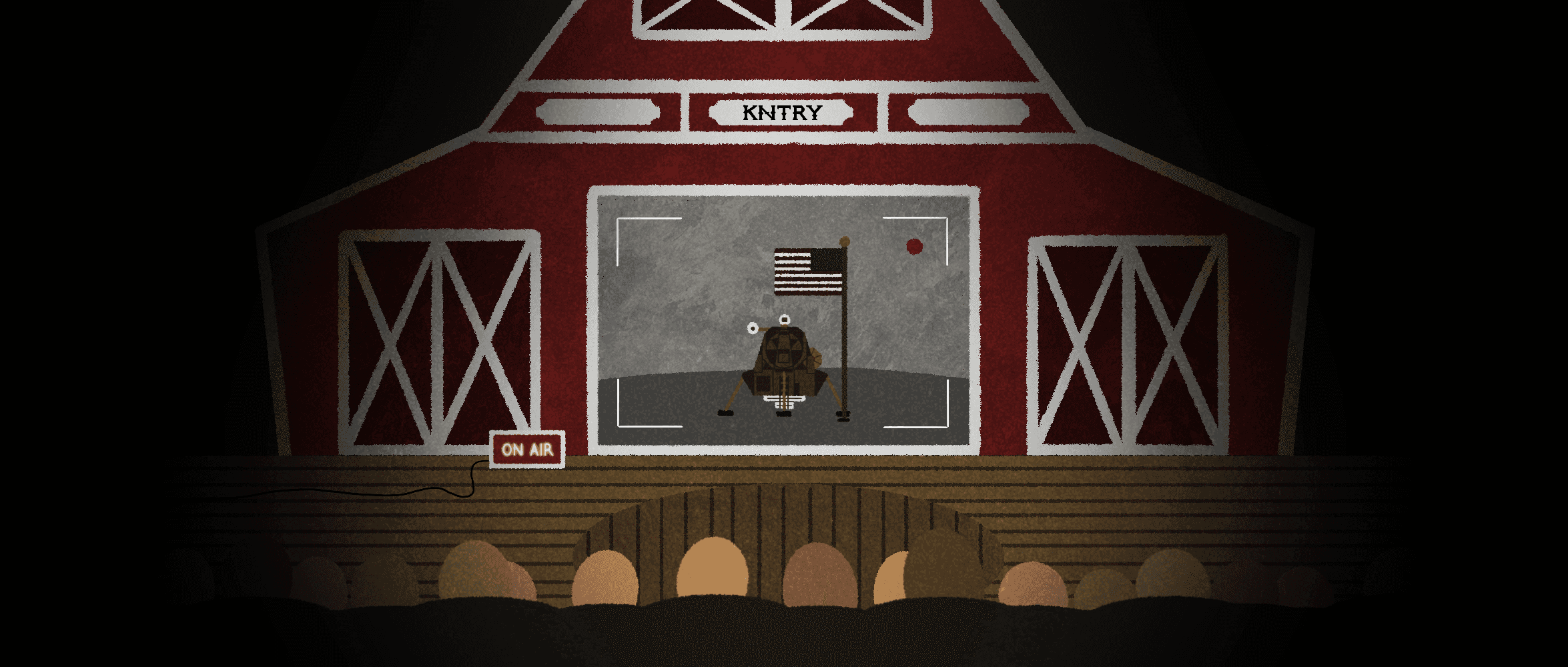
THE LINDA MARTELL SHOW
"Haha, okay, thank you so very much. Ladies and gentlemen, this particular tune stretches across a range of genres, and that's what makes it a unique listening experience. Yes, indeed. It's called 'Ya Ya.'"
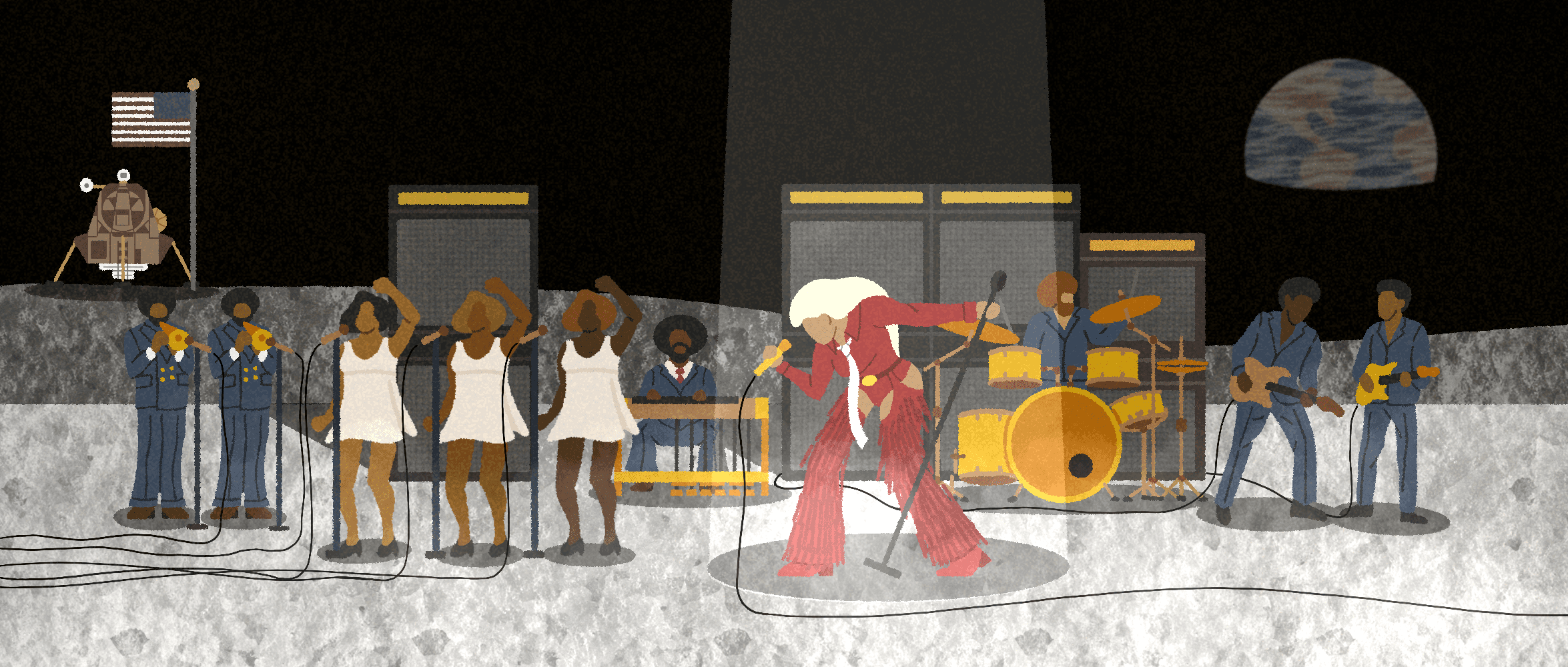
YA YA
Act III, Scene I - Past, Present and Future
The Moon
A stage rises on the surface of the moon. Sequined and electric, she performs beneath an American flag while Earth watches from far away. The sound pulls from the past and gestures toward the future. Genres bend, rules dissolve. This is what it means to be ahead of your time and still claim the spotlight.
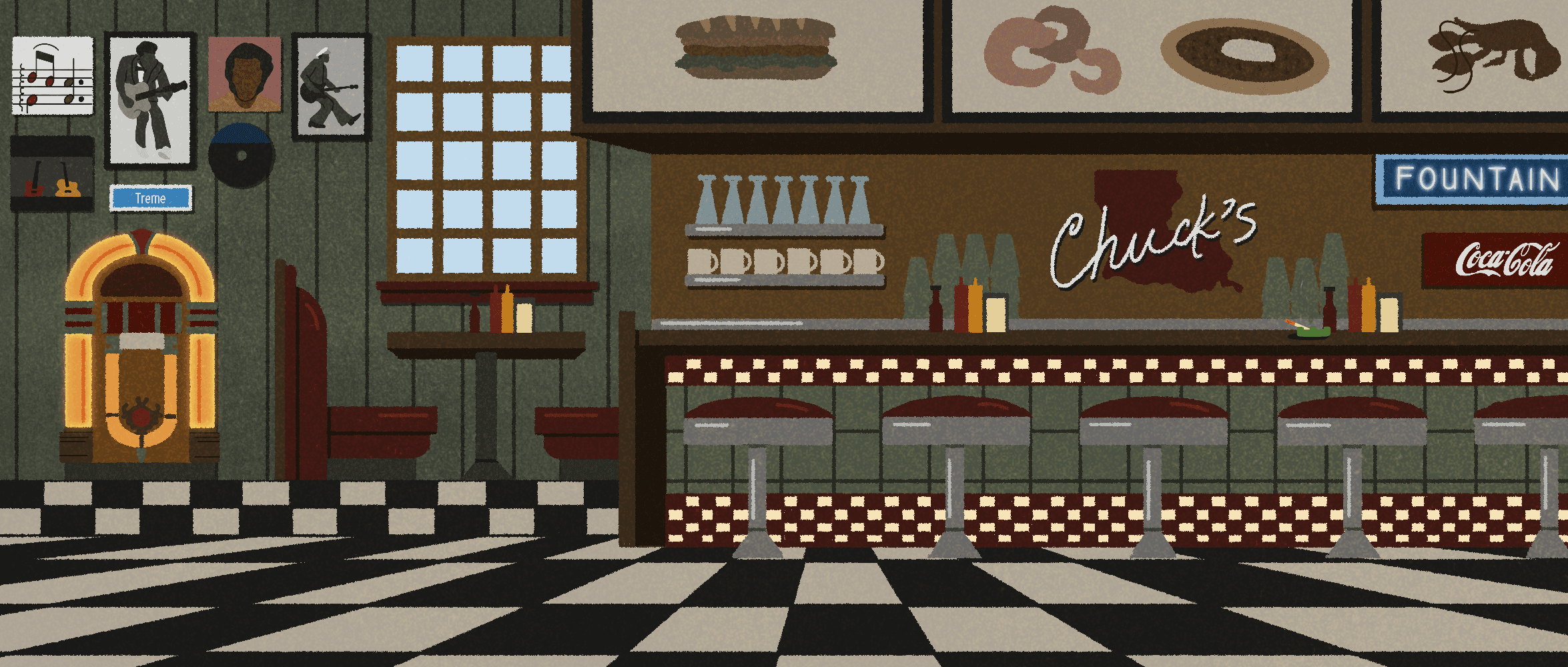
OH LOUISIANA
Act III, Scene II - Past, Present and Future
Diner in New Orleans, Louisiana
The diner sits empty now. Sunlight cuts across chrome counters. A jukebox hums a Chuck Berry tune into the quiet. Coffee cools in forgotten cups, chairs pushed in. The rush has passed, but the memories linger. Some places hold onto their stories.
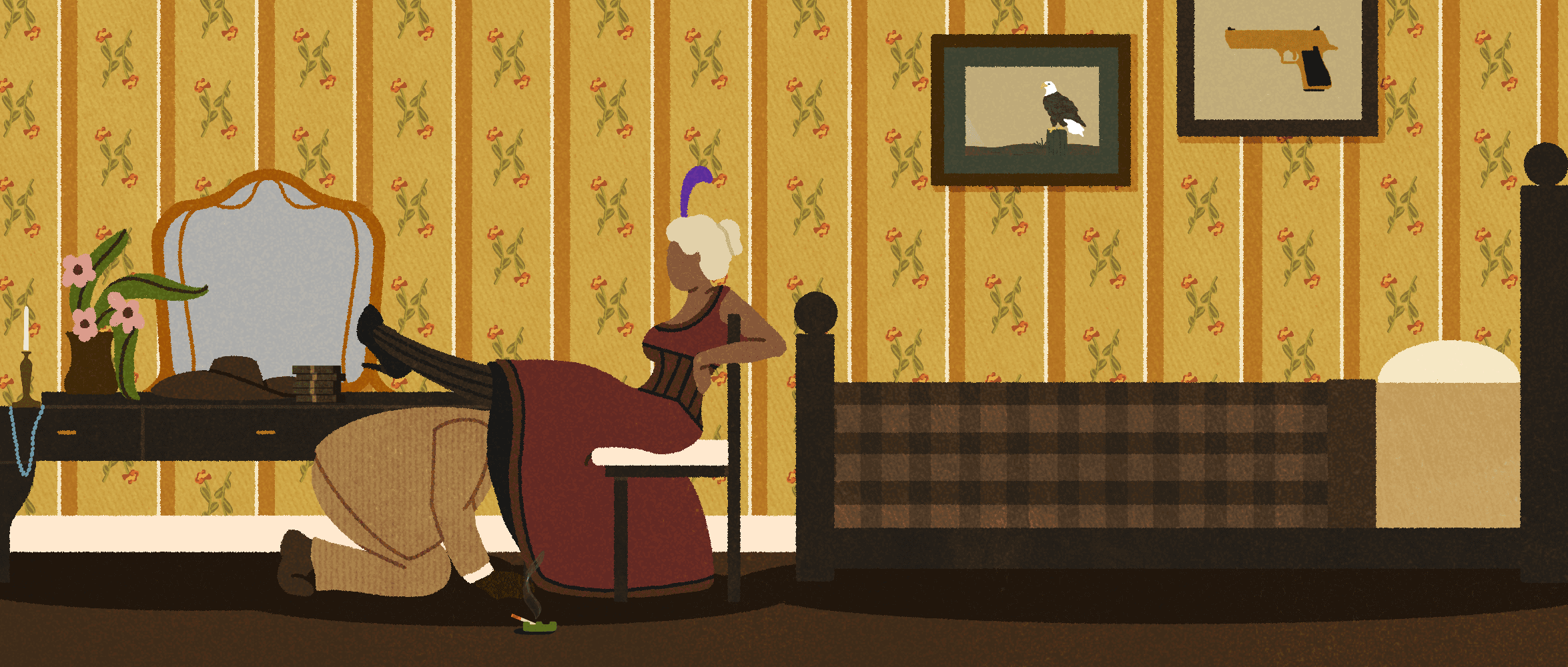
DESERT EAGLE
Act III, Scene III - 1900s
Brothel in El Dorado Canyon, Nevada
Velvet drapes the room in low light. She sits composed as her John enters. Gold jewelry catches the glow. The bed remains untouched. Power is hers here; desire follows rules of her making. Nearby, a Desert Eagle rests on the nightstand, ensuring no one forgets who's in control.
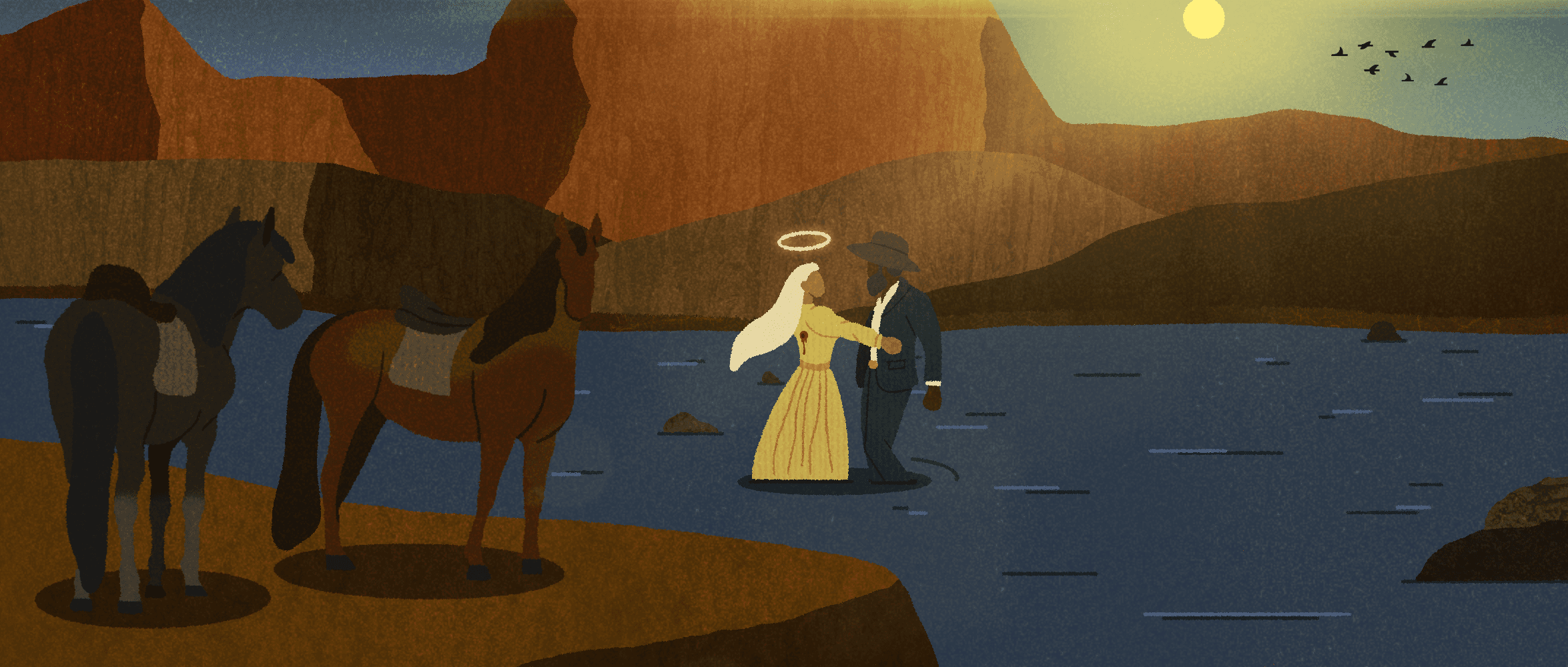
RIIVERDANCE
Act III, Scene IV - 1900s
Colorado River
They run along the riverbank, then plunge in. Clothes soak through, laughter cutting the air as their horses watch from shore. She wears a halo, reborn after love once failed her. This time, she doesn't hold back. Love is no longer escape. It's immersion.
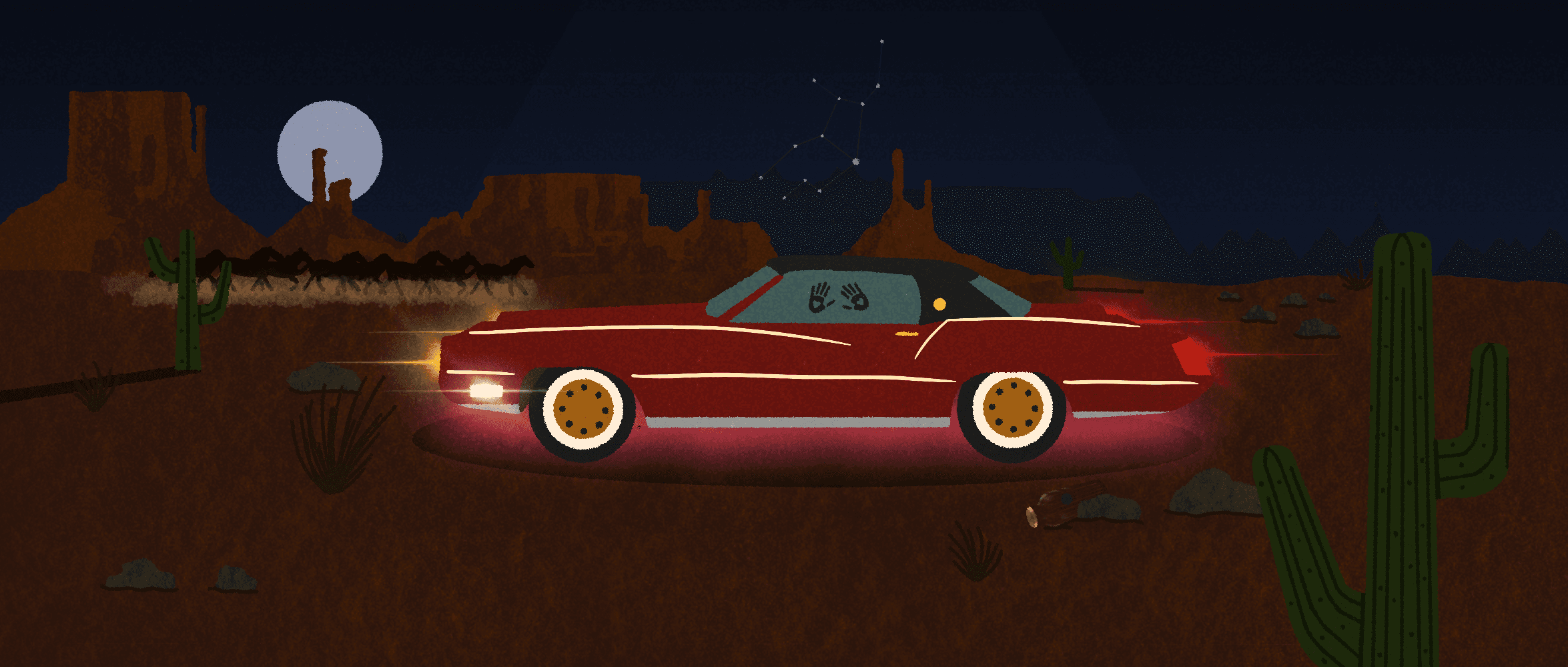
II HANDS II HEAVEN
Act III, Scene V - 1970s
Great Basin Desert
A Cadillac idles in the desert. Windows fog, pink smoke curling beneath the chassis. An empty whiskey bottle rests nearby. Inside, the world narrows to touch and breath. Outside, wild horses run free. This love feels unreal and fully alive. Caught in the moment, they don't resist.
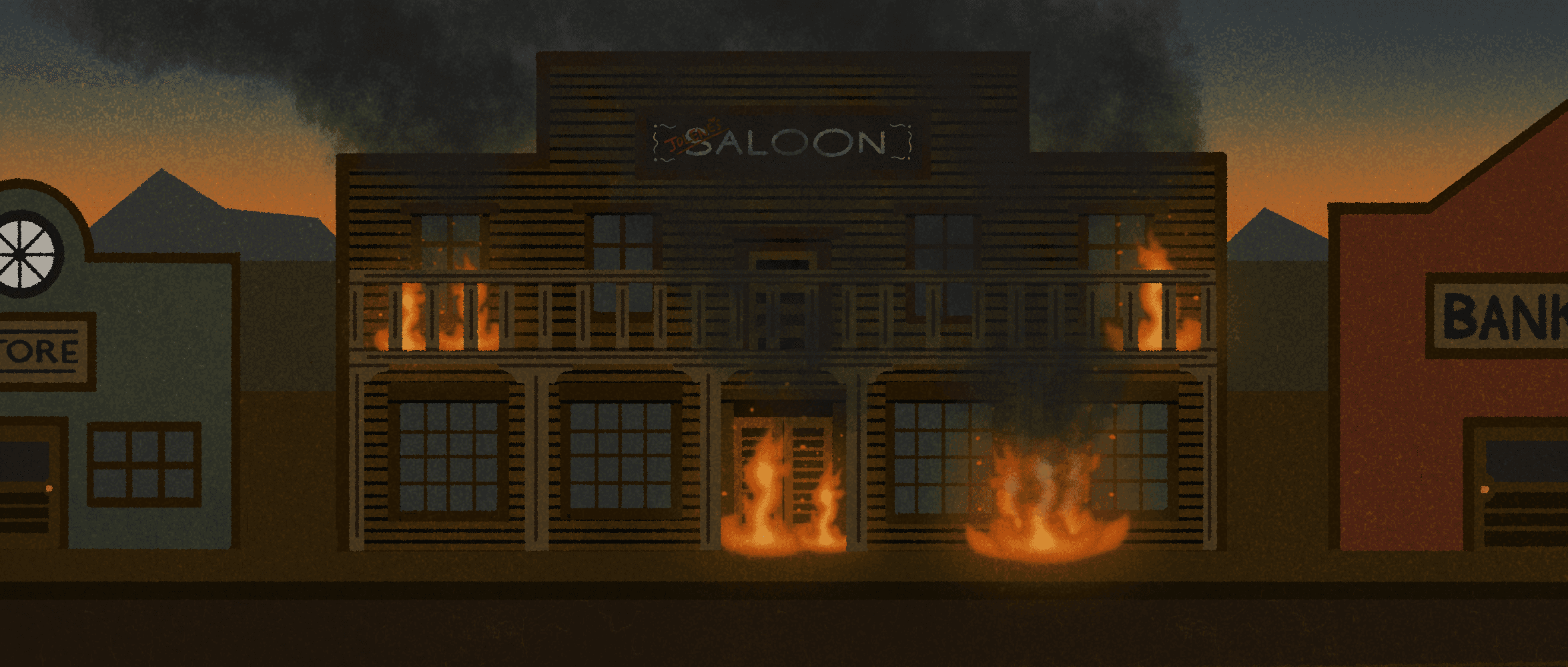
TYRANT
"Cowboy Carter, time to strike a match and light up this juke joint…"
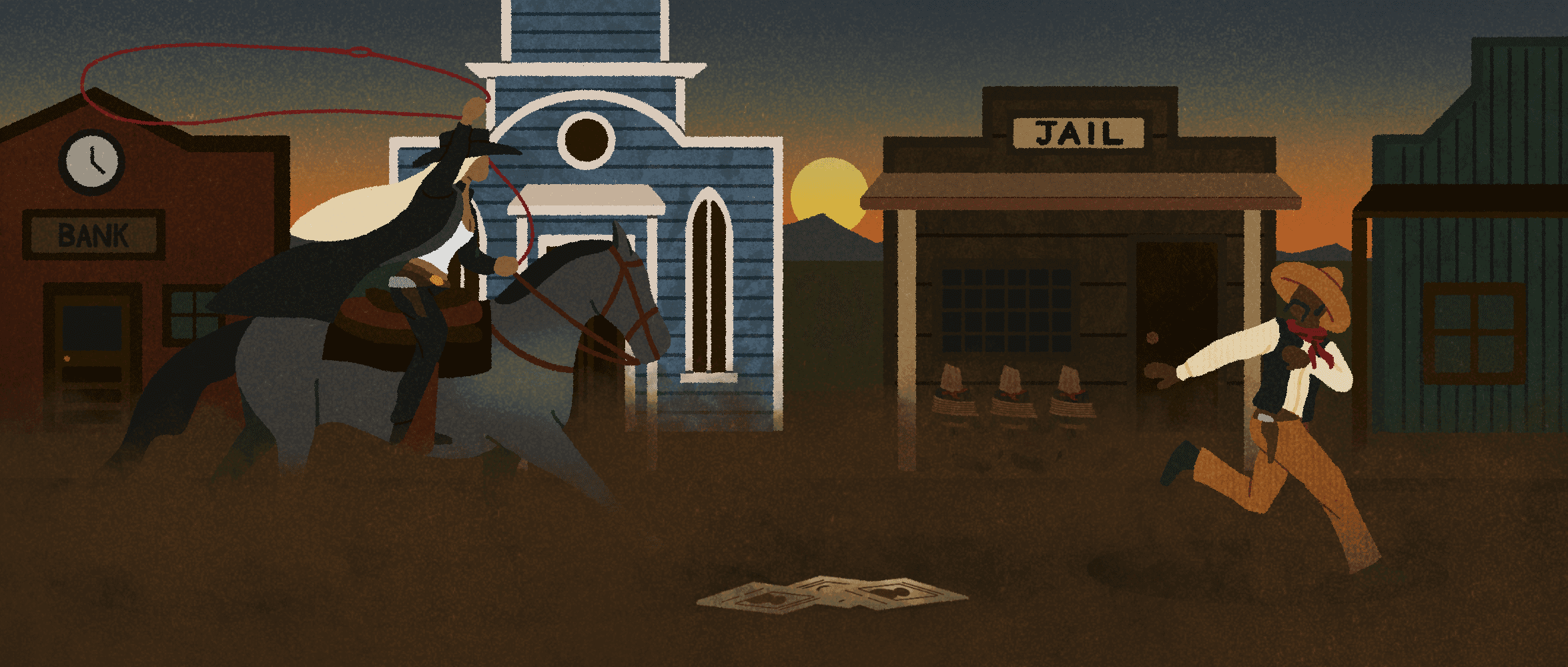
TYRANT
Act III, Scene VI - 1910s
Town Square in Tombstone, Arizona
Now she's the one hunting. A red lasso spins through the air as she rides hard across the land, three bound outlaws trailing behind. This role was never meant for women. She claims it anyway. She sets the terms, collects the bounty, rides off on her own command.
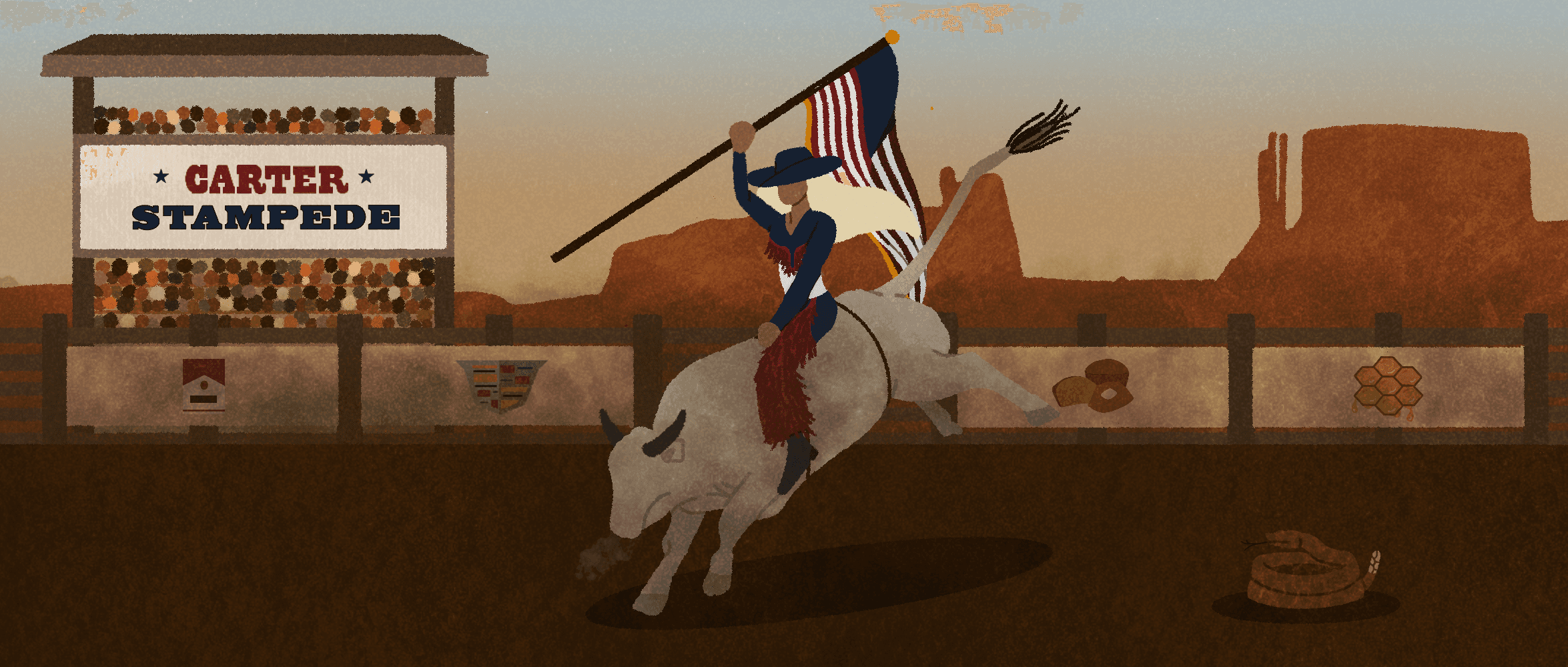
SWEET HONEY BUCKIIN'
Act III, Scene VII - Current Day
Rodeo in Sonoran Desert
The bull bucks hard beneath her. One hand grips tight, the other raises the American flag. A rattlesnake coils nearby. The crowd doesn't expect her to win. She does—with flair and control. She knows where she comes from. She knows what she's earned. And she refuses to be denied.
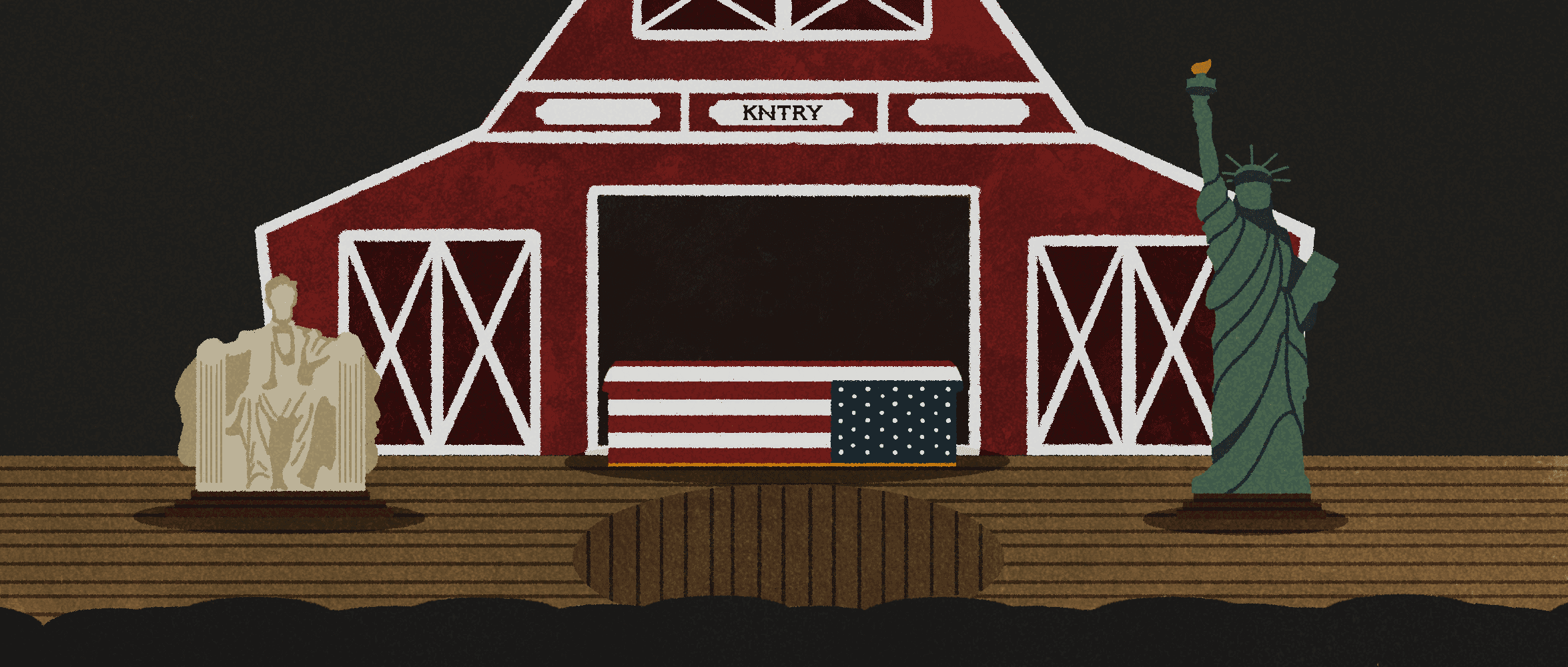
AMEN
Act III, Scene VIII - Current Day
Grand Ole Opry in Nashville, Tennessee
We return to the Opry stage. The performance space now holds symbols of the nation, laid to rest. A casket. A monument. A statue. This is a funeral for old ideas—a release of what no longer serves. Something new waits to rise.
Ready for what’s next?
Let’s talk about your next project—no pressure, just conversation.
Get in touch
© 2019-2026 Marshall Creative Group LLC
Studio